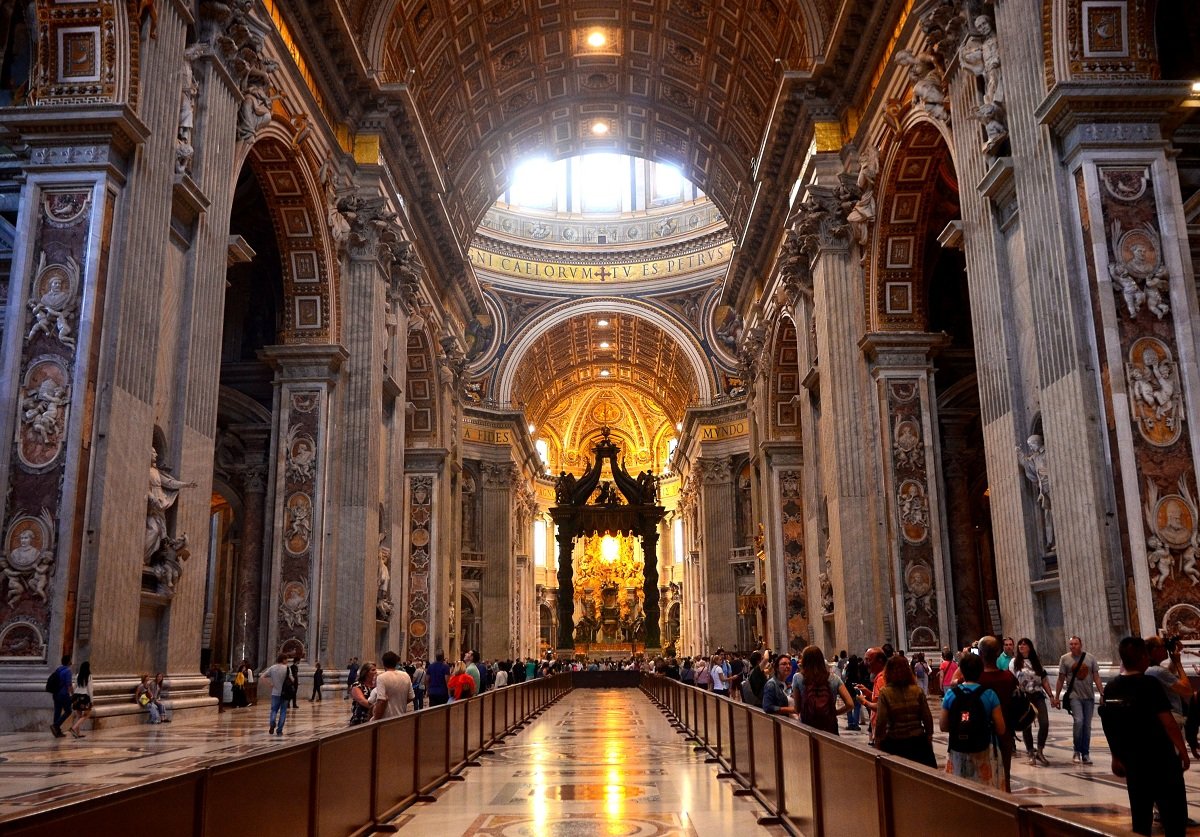
Europe Travel Guide
Europe Travel Guide
The Europe Handbook
An essential Europe travel guide covering country facts, entry requirements, local currencies, regional cuisines, and practical travel tips for planning your journey.
Basics & Quick Facts
Population
Europe is home to approximately 740 million people across more than 40 countries. Despite its relatively compact, it contains an extraordinary concentration of distinct cultures, historic cities, landscapes, and architectural traditions.Languages
Europe is exceptionally linguistically diverse, with English, French, German, Spanish, Italian, Portuguese, Russian, and numerous regional languages widely spoken. English is commonly understood across major cities and tourism destinations.Currency
The Euro is used by most European Union countries, while several nations retain their own currencies, including the United Kingdom, Switzerland, Norway, Sweden, Denmark, Poland, and Hungary. Cards and contactless payments are widely accepted across most of Europe.Interesting Facts
- Europe is home to some of the world's most celebrated museums, monuments, historic cities, and architectural masterpieces.
- The Alps stretch across eight countries and form one of the world's great mountain regions.
- Europe contains more than 40 sovereign countries within a relatively compact geographical area.
- The continent's landscapes range from Arctic wilderness and Norwegian fjords to Mediterranean islands and volcanic landscapes.
- Europe's extensive rail network makes it one of the easiest regions in the world for multi-country journeys.
Destinations At A Glance
France
Celebrated for Paris, art, gastronomy, wine, fashion, historic villages, Alpine landscapes, and the Mediterranean coast.Italy
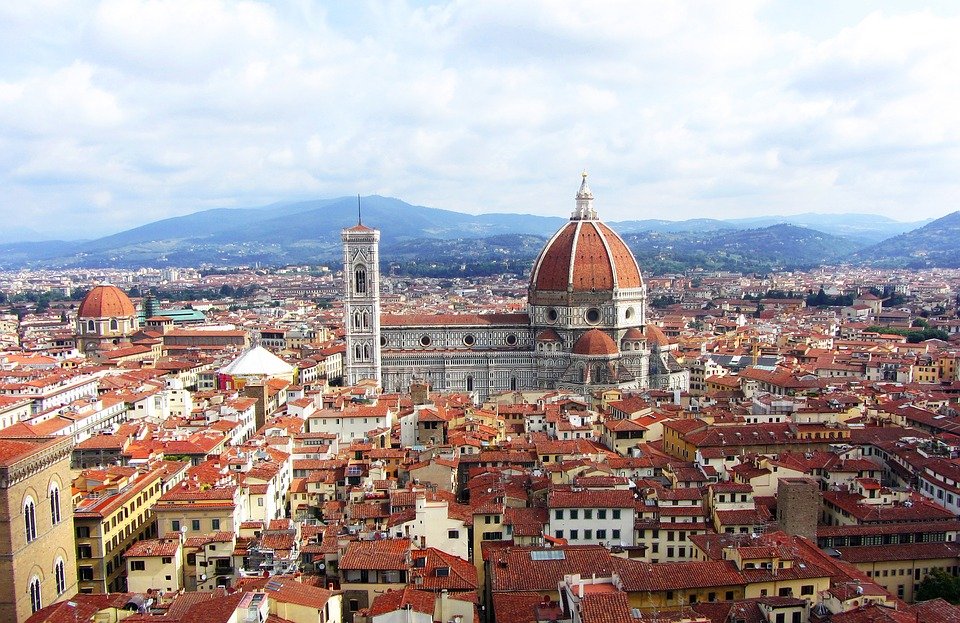
An extraordinary concentration of ancient history, Renaissance art, exceptional food, beautiful coastlines, historic cities, and countryside.Switzerland
Famous for the Alps, pristine lakes, scenic train journeys, picturesque villages, and some of Europe's most spectacular mountain scenery.United Kingdom
A diverse combination of historic cities, royal heritage, castles, museums, countryside, dramatic coastlines, and cultural traditions.Spain
Known for remarkable architecture, Mediterranean beaches, vibrant cities, distinctive regional cultures, food, and art.Greece
A captivating combination of ancient history, Mediterranean landscapes, whitewashed villages, and beautiful islands.Norway
One of Europe's great nature destinations, renowned for dramatic fjords, mountains, Arctic landscapes, scenic cruises, and the Northern Lights.Iceland
A spectacular volcanic island of glaciers, waterfalls, geothermal landscapes, black-sand beaches, and extraordinary wilderness.Austria
Known for Alpine landscapes, imperial Vienna,ical music, historic architecture, lakes, and elegant mountain towns.Portugal
A rewarding combination of historic cities, Atlantic coastline, vineyards, distinctive cuisine, and the landscapes of the Douro Valley.Croatia
Famous for its Adriatic coastline, historic walled cities, islands, turquoise waters, and picturesque coastal towns.Finland
A land of forests, lakes, Arctic wilderness, saunas, and Lapland experiences beneath the Northern Lights.Food & Culture
Religion
Christianity has played a defining role in European history, influencing its art, architecture, politics, festivals, and cultural traditions for centuries. Catholicism, Protestantism, and Eastern Orthodoxy remain historically important across different parts of the continent, while Judaism and Islam have also contributed significantly to Europe's cultural heritage. Modern Europe is increasingly secular and religiously diverse, although historic churches, cathedrals, monasteries, and pilgrimage sites remain integral to its cultural landscape.Art & Architecture
Europe possesses one of the world's greatest concentrations of artistic and architectural heritage. Ancient Greek and Roman ruins, Gothic cathedrals, Renaissance palaces, Baroque churches, medieval castles, Art Nouveau buildings, and modernist landmarks reveal successive eras of European history. The continent produced artists including Leonardo da Vinci, Michelangelo, Rembrandt, Monet, Picasso, and Van Gogh, and its museums and galleries contain many of the world's most celebrated works of art.Customs & Traditions
European customs vary considerably between countries and regions, with traditions shaped by local history, religion, geography, and climate. Christmas markets in Central Europe, Carnival in Venice, Semana Santa in Spain, midsummer celebrations in Scandinavia, and numerous harvest, wine, music, and folk festivals preserve distinctive regional traditions. Café culture, local markets, long meals, village festivals, and seasonal celebrations remain an important part of everyday life in many destinations.Food
Food is central to the European travel experience, with cuisines changing dramatically across relatively short distances. Italian pasta and pizza, French cuisine and patisserie, Spanish tapas, Greek Mediterranean cooking, Austrian pastries, Swiss cheese and chocolate, and Portuguese seafood represent only a fraction of the continent's culinary diversity. Europe is also home to some of the world's great wine regions, from Bordeaux, Burgundy, and Champagne to Tuscany, Rioja, the Douro Valley, and the Rhine.Clothing
Modern European fashion ranges from relaxed Mediterraneans to the sophisticated fashion cultures of Paris, Milan, and London. Traditional clothing is now primarily associated with festivals, ceremonies, and regional celebrations, but remains an important expression of heritage in many areas. From Scottish kilts and Bavarian lederhosen to Scandinavian folk costumes and elaborate Eastern European embroidery, traditional dress reflects Europe's diverse regionalentities and craftsmanship.Major International Airports in Europe
Major International Airports in Europe
Most visitors arrive through one of Europe's major international airports before continuing to their final destination by regional flight, high-speed train, road transfer, or ferry. Europe has one of the world's most extensive aviation and rail networks, making it particularly easy to combine several cities or countries within a single journey. United Kingdom • Heathrow Airport (London) • Gatwick Airport (London) • Manchester Airport (Manchester) France • Paris Charles de Gaulle Airport (Paris) • Paris Orly Airport (Paris) • Nice Côte d'Azur Airport (Nice) Italy • Rome Fiumicino Airport (Rome) • Milan Malpensa Airport (Milan) • Venice Marco Polo Airport (Venice) Spain • Adolfo Suárez Madrid-Barajas Airport (Madrid) • Josep Tarradellas Barcelona-El Prat Airport (Barcelona) • Málaga-Costa del Sol Airport (Málaga) Switzerland • Zurich Airport (Zurich) • Geneva Airport (Geneva) Germany • Frankfurt Airport (Frankfurt) • Munich Airport (Munich) • Berlin Brandenburg Airport (Berlin) Netherlands • Amsterdam Airport Schiphol (Amsterdam) Austria • Vienna International Airport (Vienna) Portugal • Humberto Delgado Airport (Lisbon) • Francisco Sá Carneiro Airport (Porto) Greece • Athens International Airport (Athens) • Heraklion International Airport (Crete) Norway • Oslo Airport (Oslo) • Bergen Airport (Bergen) Iceland • Keflavík International Airport (Reykjavík) Denmark • Copenhagen Airport (Copenhagen) Sweden • Stockholm Arlanda Airport (Stockholm) Finland • Helsinki Airport (Helsinki) Ireland • Dublin Airport (Dublin) Croatia • Zagreb Airport (Zagreb) • Dubrovnik Airport (Dubrovnik) • Split Airport (Split) Türkiye • Istanbul Airport (Istanbul) • Istanbul Sabiha Gökçen International Airport (Istanbul) • Antalya Airport (Antalya) London Heathrow, Amsterdam Schiphol, Istanbul, Paris Charles de Gaulle, Frankfurt, Madrid, Barcelona and Rome remain among Europe's most important international aviation hubs.Best Time To Visit Asia
Broad Seasonal Patterns
Spring: March to May Summer: June to August Autumn: September to November Winter: December to FebruaryTravel Jaunts Tip
For Mediterranean beaches and islands, summer offers the warmest conditions, while spring and autumn are often better for sightseeing. Visit the Alps for hiking from June to September and skiing during winter. For the Northern Lights in Scandinavia and Iceland, plan between September and March.Visa Requirements for Indian citizens
Important Notice
Visa regulations, travel authorisations, passport validity requirements, and entry procedures can change without notice. The information below is intended as a general guide for Indian passport holders only. Travelers should verify the latest requirements with the relevant embassy, consulate, or official immigration authority before departure.Schengen Visa Required
Schengen Area Indian citizens generally require a Schengen visa before travelling to countries within the Schengen Area. A valid short-stay Schengen visa normally allows travel across participating countries for up to 90 days within a 180-day period, subject to visa conditions. Popular destinations covered by the Schengen system include France, Italy, Spain, Switzerland, Germany, Austria, Greece, Portugal, Netherlands, Norway, Sweden, Finland, Denmark, Iceland, and Croatia, among others.Separate Visa Required
United Kingdom Indian citizens generally require a UK Standard Visitor visa before travel. A Schengen visa does not permit entry into the United Kingdom. Ireland Indian citizens generally require an Irish visa before travel. Ireland is not part of the Schengen Area, although certain travellers may qualify for specific visa-waiver arrangements depending on their circumstances.eVisa / Online Application
Türkiye Indian citizens generally require a visa. Some travellers holding a valid visa or residence permit from specified countries may qualify for a Turkish eVisa, subject to eligibility conditions. Others must obtain a visa through the regular application process.Travel Jaunts Tip
A Schengen visa can make multi-country European journeys relatively straightforward, but not every European country belongs to the Schengen Area. Always check whether your itinerary includes the UK, Ireland, Türkiye, or another non-Schengen destination requiring separate entry permission.Costs (approx)
Europe (Mid-Range Travel)
Accommodation: USD 100–250 per night Food: USD 35–80 per person per day, depending on dining preferences Drinks: USD 4–12 for coffee, wine, or beer Local Transport: USD 5–20 per day using public transport; taxis and private transfers cost considerably more Sightseeing & Activities: USD 10–40 per attraction, with private tours and premium experiences costing significantly moreImportant Notes
- Costs vary considerably between Northern, Western, Southern, and Eastern Europe.
- Switzerland, Norway, Iceland, Denmark, and major capitals such as London and Paris are among the more expensive destinations.
- Portugal, Greece, parts of Spain, and Central and Eastern Europe generally offer better value.
- July and August can bring significantly higher accommodation prices in popular coastal and Mediterranean destinations.
- Ski resorts, luxury hotels, private tours, and major events can increase costs substantially.
- All prices are approximate and quoted in USD.
- Costs are based on per person, per day averages unless otherwise stated.
Destinations & Attractions
From the snow-covered Alps and Norwegian fjords to the Mediterranean coast, the castles of Scotland, the villages of Tuscany, and the great cultural capitals of Paris, Rome, Vienna, and London, Europe brings an extraordinary concentration of history, beauty, and culture into a relatively compact continent.
Centuries of art, architecture, monarchy, religion, trade, and cultural exchange have created a region where every country—and often every city—has its own distinctentity. Medieval towns, Renaissance masterpieces, ancient ruins, grand palaces, vineyards, mountains, beaches, and contemporary cities can often be experienced within a single journey.
Europe is particularly rewarding for travellers who enjoy combining experiences. A journey might include museums and Michelin-starred dining, scenic train rides and Alpine villages, Mediterranean islands and historic cities, or castles, vineyards, and countryside retreats.
Its excellent transport networks also make multi-country journeys remarkably accessible, while an exceptional range of hotels, restaurants, cruises, trains, and private experiences caters to every of travel.
Whether returning to a favourite city or exploring a lesser-known corner of the continent, Europe rewards slow travel, curiosity, and the pleasure of discovering how dramatically culture and landscape can change over relatively short distances.
Austria
Belgium
Croatia
Czech Republic
Denmark

England
Finland
France
Germany

Greece
Hungary
Iceland
Ireland
Italy
Luxembourg

Malta
The Netherlands
Norway
Poland
Portugal
Romania
Russia

Scotland
Spain
Switzerland
Sweden