


Africa Travel Guide
Africa, Travel Guide
The Africa Handbook
An essential Africa travel guide covering country facts, entry requirements, local currencies, regional cuisines, and practical travel tips for planning your journey.
Basics & Quick Facts
Population
Africa is the world's second-largest and second-most populous continent, home to more than 1.5 billion people across 54 countries. It accounts for approximately 18% of the global population and is projected to be one of the fastest-growing regions in the world over the coming decades.
Nigeria is Africa's most populous country, while Lagos is one of the continent's largest urban centres. Cairo remains one of Africa's most influential cultural and historical capitals.
Languages
Africa is the most linguistically diverse continent on Earth, with more than 2,000 languages spoken across its regions.
Arabic, English, French, Portuguese, and Swahili are among the most widely used languages for travel and business. English is commonly spoken in many of Africa's leading tourism destinations, including Kenya, South Africa, Tanzania, Botswana, Zambia, Zimbabwe, Seychelles, and Mauritius.
Currency
Africa does not have a common currency. Most countries use their own national currencies, although the CFA Franc is shared by several countries in West and Central Africa.
The US Dollar is widely accepted in many tourism-focused destinations, particularly safari lodges, luxury camps, and some island resorts. However, carrying local currency is recommended for markets, local restaurants, taxis, and smaller purchases.
Geography
Covering approximately 30 million square kilometres, Africa accounts for around 20% of the Earth's land area. The continent spans deserts, rainforests, mountains, savannahs, coastlines, wetlands, and some of the planet's most important wildlife habitats.
The Nile, one of the world's longest rivers, flows through northeastern Africa, while the Sahara remains the largest hot desert on Earth.
Why Visit Africa?
Few continents offer such extraordinary diversity within a single region.
One journey can combine world-class wildlife viewing, ancient civilisations, dramatic landscapes, vibrant cultures, tropical islands, and some of the most memorable hospitality experiences in the world.
Egypt
Home to the Pyramids of Giza, the temples of Luxor, the Nile, and one of history's greatest civilisations, Egypt offers a rare blend of archaeology, culture, and adventure.
Kenya
One of Africa's most iconic safari destinations, Kenya combines the Masai Mara, wildlife-rich conservancies, dramatic landscapes, vibrant cultures, and exceptional game viewing.
Mauritius
A tropical island escape known for beautiful beaches, turquoise lagoons, luxury resorts, golf, and a relaxed pace of life.
Morocco
A sensory journey through ancient medinas, colourful souks, desert landscapes, mountain scenery, and one of the world's most celebrated culinary traditions.
South Africa
Combining Cape Town, the Cape Winelands, Kruger National Park, dramatic coastlines, and remarkable cultural diversity, South Africa offers one of the continent's most complete travel experiences.
Tanzania
Home to the Serengeti, Ngorongoro Crater, Mount Kilimanjaro, and Zanzibar, Tanzania delivers some of Africa's most iconic wildlife and landscape experiences.
Botswana
Renowned for the Okavango Delta and its low-volume, high-quality safari model, Botswana offers some of the continent's most exclusive wildlife experiences.
Namibia
A land of striking contrasts, where towering desert dunes, vast wilderness, dramatic coastlines, and extraordinary night skies create one of Africa's most visually compelling destinations.
Interesting Facts
- Africa is home to the world's youngest population, with a median age of around 19 years.
- The continent contains more than 20 UNESCO World Heritage Sites recognised for their cultural and natural significance.
- The Great Migration between Tanzania and Kenya is considered one of the largest wildlife movements on Earth.
- Africa is home to the world's fastest land animal, the cheetah.
- Contrary to popular belief, the hippopotamus is responsible for more human fatalities in Africa than many large predators.
Food For Thought
Africa is not a single travel experience. It is a continent of remarkable contrasts, where a safari in Botswana, a Nile cruise in Egypt, a road trip through South Africa, and a desert journey in Namibia can feel like visits to entirely different worlds.
Food & Culture
Africa is not a single cultural experience but a continent of extraordinary diversity. Across 54 countries, thousands of ethnic groups, and more than 2,000 languages, travellers encounter a remarkable range of traditions, cuisines, artistic expressions, and ways of life.
Culture & Traditions
From the ancient civilizations of Egypt and Ethiopia to the nomadic cultures of East Africa and the vibrant cities of the modern continent, Africa's heritage is both vast and deeply layered.
Family, community, hospitality, and respect for tradition remain important values across many African societies. While customs vary significantly between countries and regions, visitors are often struck by the warmth and generosity extended to guests.
Religion
Africa is home to some of the world's oldest religious traditions. Christianity and Islam are the dominant faiths across much of the continent, alongside indigenous belief systems that continue to shape local customs, ceremonies, and culturalentity.
Religion remains an important influence on everyday life, festivals, architecture, music, and community traditions throughout many African countries.
Art & Architecture
Africa's artistic heritage spans thousands of years. Ancient wonders such as the Pyramids of Giza stand alongside Morocco's intricate riads, Ethiopia's rock-hewn churches, and the distinctive vernacular architecture found throughout the continent.
Traditional crafts including sculpture, textiles, beadwork, basketry, pottery, and jewellery remain an important part of cultural life, while contemporary African artists, designers, and architects continue to gain international recognition.
Food
African cuisine is as diverse as the continent itself.
North Africa is known for fragrant tagines, couscous, grilled meats, and strong Mediterranean and Arab influences. East Africa combines spices, grilled meats, seafood, and Swahili influences, while Southern Africa is famous for its braais, game meats, wines, and multicultural culinary traditions.
Across the continent, local ingredients, regional spices, and centuries-old cooking techniques create cuisines that are rich in flavour and closely connected to localentity.
Clothing
Traditional clothing varies widely across Africa and often reflects local heritage, climate, craftsmanship, and culturalentity. Colourful fabrics, intricate beadwork, embroidered garments, and distinctive ceremonial dress continue to play an important role in festivals, celebrations, and community life.
Alongside these traditions, Africa's fashion industry has emerged as one of the most dynamic creative sectors on the continent, blending heritage with contemporary design.
Major International Airports in Africa
The following airports serve as the primary international gateways to some of Africa's most popular travel destinations.
Egypt
• Cairo International Airport (Cairo)
• Hurghada International Airport (Hurghada)
• Sharm El Sheikh International Airport (Sharm El Sheikh)
• Luxor International Airport (Luxor)
Kenya
• Jomo Kenyatta International Airport (Nairobi)
Mauritius
• Sir Seewoosagur Ramgoolam International Airport (Mauritius)
Morocco
• Mohammed V International Airport (Casablanca)
• Marrakech Menara Airport (Marrakech)
• Rabat-Salé Airport (Rabat)
• Tangier Ibn Battouta Airport (Tangier)
South Africa
• O.R. Tambo International Airport (Johannesburg)
• Cape Town International Airport (Cape Town)
• King Shaka International Airport (Durban)
Tanzania
• Kilimanjaro International Airport (Arusha / Northern Safari Circuit)
• Julius Nyerere International Airport (Dar es Salaam)
• Abeid Amani Karume International Airport (Zanzibar)
Botswana
• Sir Seretse Khama International Airport (Gaborone)
• Maun International Airport (Okavango Delta)
Namibia
• Hosea Kutako International Airport (Windhoek)
Seychelles
• Seychelles International Airport (Mahé)
Zambia
• Kenneth Kaunda International Airport (Lusaka)
• Harry Mwanga Nkumbula International Airport (Livingstone)
Zimbabwe
• Robert Gabriel Mugabe International Airport (Harare)
• Victoria Falls International Airport (Victoria Falls)
Rwanda
• Kigali International Airport (Kigali)
Best Time To Visit Africa
Africa spans a vast range of climates, landscapes, and ecosystems. Theeal time to visit depends largely on the region and the experiences you are seeking.
North Africa
Egypt & Morocco
Best Time: October to April
Pleasant temperatures make this theeal period for exploring cities, historical sites, deserts, and cultural attractions. Summer temperatures can become extremely hot, particularly in inland and desert regions.
Best For: Sightseeing, cultural travel, desert experiences, Nile cruises, and Sahara excursions.
East Africa
Kenya, Tanzania, Rwanda & Uganda
Best Time: June to October
The dry season offers excellent wildlife viewing, comfortable temperatures, and easier access to national parks.
Best For: Safaris, the Great Migration, gorilla trekking, and wildlife photography.
Avoid If Possible: April and May, which typically bring the heaviest rainfall across much of the region.
Southern Africa
South Africa, Botswana, Namibia, Zambia & Zimbabwe
Best Time: May to October
The dry winter months offer exceptional wildlife viewing as animals gather around water sources and vegetation becomes less dense.
Best For: Safaris, Victoria Falls, Okavango Delta, Kruger National Park, and Namibia's desert landscapes.
South Africa Exception: Cape Town and the Cape Winelands are particularly enjoyable from November to March, when the region experiences warm, sunny summer weather.
Indian Ocean Islands
Mauritius & Seychelles
Best Time: April to June and September to November
These shoulder seasons generally offer pleasant weather, lower humidity, calmer seas, and fewer crowds.
Best For: Beach holidays, diving, snorkelling, island hopping, and honeymoons.
West Africa
Best Time: November to March
The dry season generally provides more comfortable travel conditions across much of the region.
Best For: Cultural exploration, wildlife reserves, coastal destinations, and historical sites.
Quick Guide
Best For Safaris: June to October
Best For The Great Migration: July to October
Best For Gorilla Trekking: June to September and December to February
Best For Egypt & Morocco: October to April
Best For South Africa (Cape Town): November to March
Best For Mauritius & Seychelles: April to June and September to November
Best For Victoria Falls: May to September
Travel Jaunts Tip
If your primary goal is wildlife, plan your trip around the dry season rather than the calendar season. In most of Africa's leading safari destinations, dry conditions generally provide the best game-viewing opportunities.
Visa Requirements
Consular Rules by Destination
Important Notice
Visa regulations, travel authorisations, entry requirements, and passport validity rules can change without notice. The information below is intended as a general guide only. Travelers should verify the latest requirements with the relevant embassy, consulate, or official immigration authority before departure.
Please note: Visa-free travel does not always mean form-free travel. Some destinations may require electronic travel authorisations, visitor permits, health declarations, or arrival registrations before departure.
Egypt
Indian citizens generally require a visa or eVisa before travel. Passports should typically be valid for at least six months beyond the date of entry. Tourist visas are commonly issued for short-term visits.
Kenya
Indian citizens must obtain a valid Electronic Travel Authorisation (eTA) before departure. Passports should generally be valid for at least six months from the date of entry. Travelers visiting Kenya, Rwanda, and Uganda may also consider the East African Tourist Visa.
Morocco
Indian citizens generally require a visa before travel, although certain exemptions may apply based on existing residence permits or visas held for select countries. Passports should generally be valid for at least six months from the date of entry.
South Africa
Indian citizens generally require a visa before travel. Passports should be valid for at least 30 days beyond the intended departure date and contain a minimum of two blank visa pages.
Tanzania
Indian citizens may apply for an eVisa before departure or obtain a visa on arrival. Applying online in advance is generally recommended. Passports should typically be valid for at least six months from the date of entry.
Botswana
Indian citizens generally require a visa before travel. Travelers should ensure their passport is valid for at least six months beyond the intended stay and contains sufficient blank pages.
Namibia
Indian citizens may be required to obtain a visa or electronic travel authorisation before travel, depending on the latest regulations. Passports should generally be valid for at least six months from the date of entry.
Zambia
Indian citizens can apply for an eVisa before travel. Travelers visiting both Zambia and Zimbabwe may also be eligible for the KAZA UniVisa, which permits travel between both countries using a single visa.
Zimbabwe
Indian citizens may obtain a visa on arrival or apply for an eVisa before departure, depending on the latest immigration regulations. Travelers visiting Zambia and Zimbabwe should consider the KAZA UniVisa where applicable.
Rwanda
Indian citizens can obtain a visa on arrival or apply online before travel. Travelers combining Rwanda with Kenya and Uganda may also consider the East African Tourist Visa.
Seychelles
Indian citizens do not require a visa for tourism. However, all visitors must obtain a valid Seychelles Electronic Travel Authorisation before departure. Travelers may also be required to show proof of accommodation, return or onward travel, and sufficient funds for their stay.
Mauritius
Indian citizens do not require a visa for short tourist visits. Travelers may be required to provide proof of accommodation, onward or return travel, and sufficient funds for their stay.
Zanzibar
Zanzibar follows Tanzania's immigration regulations. Indian citizens should comply with Tanzania's visa requirements and any additional arrival procedures applicable to Zanzibar.
Costs (approx)
Average Daily Spend
For mid-range travel, expect to spend approximately USD 100–250 per person per day, excluding safaris.
Food: USD 20–35 per day
Drinks: Approximately USD 4–5 per drink
Accommodation: USD 75–200 per night, varying by destination and season
Local Transport: USD 16–40 per day
Sightseeing & Activities: USD 60–100 per day
Safaris: Typically range from USD 250–500+onwards per person per day, depending on destination, season, lodge category, and inclusions.
Important Notes
- Africa is a vast and diverse continent, and travel costs vary significantly between countries and regions.
- Destinations such as Seychelles, Kenya, South Africa, and Zambia generally command higher prices, while Egypt and Zimbabwe tend to offer better value. Morocco occupies a mid-range position.
- Safari pricing rises substantially during peak wildlife periods, particularly the Great Migration in East Africa.
- All prices are approximate and quoted in USD.
- Costs are based on per person, per day averages unless otherwise stated.
Destinations & Attractions
Few continents reward curiosity quite like Africa. From vast savannahs and legendary wildlife encounters to ancient cities, deserts, coastlines, and cultures, every journey reveals something different.
The recommendations below are intended as general travel inspiration and guidance, highlighting some of the continent's most memorable destinations and experiences.

Egypt
Ancient temples & desert ruins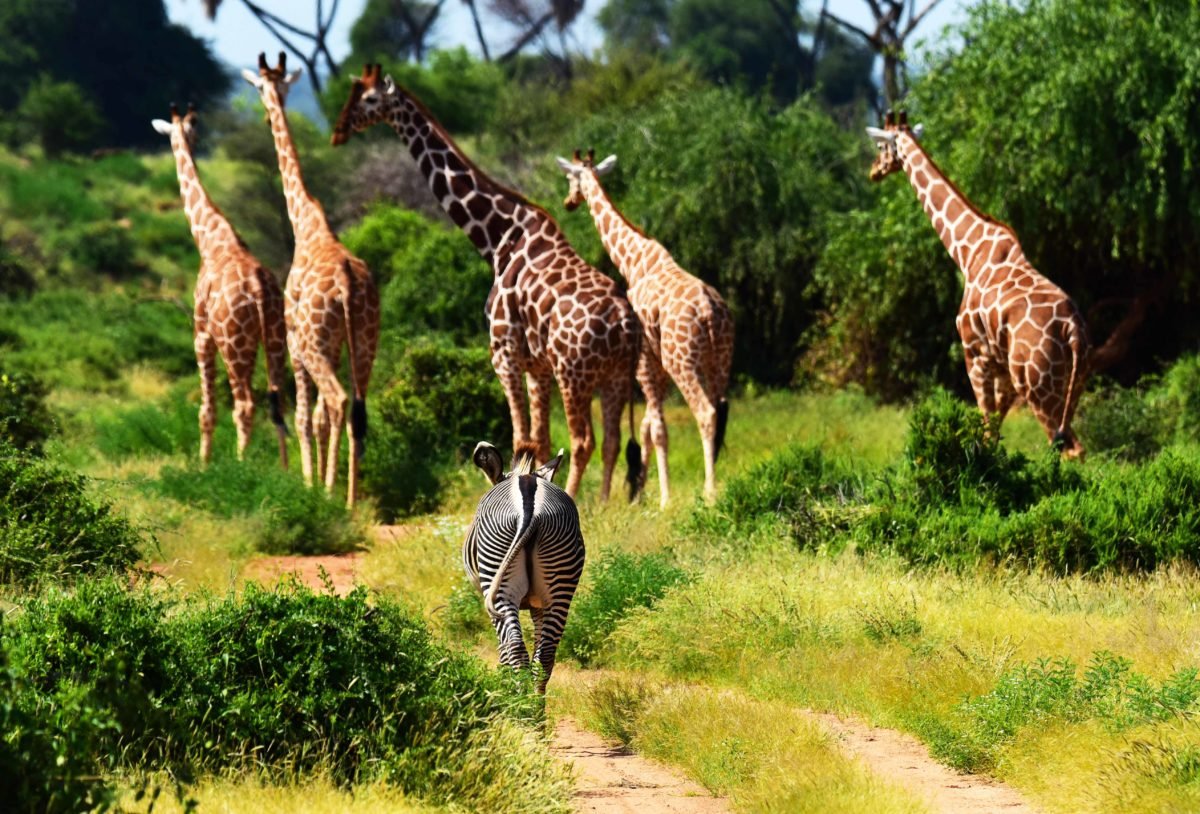
Kenya
Great Migration & classic savannahs
Mauritius
Turquoise lagoons & volcanic peaks
Morocco
Vibrant medinas & desert kasbahs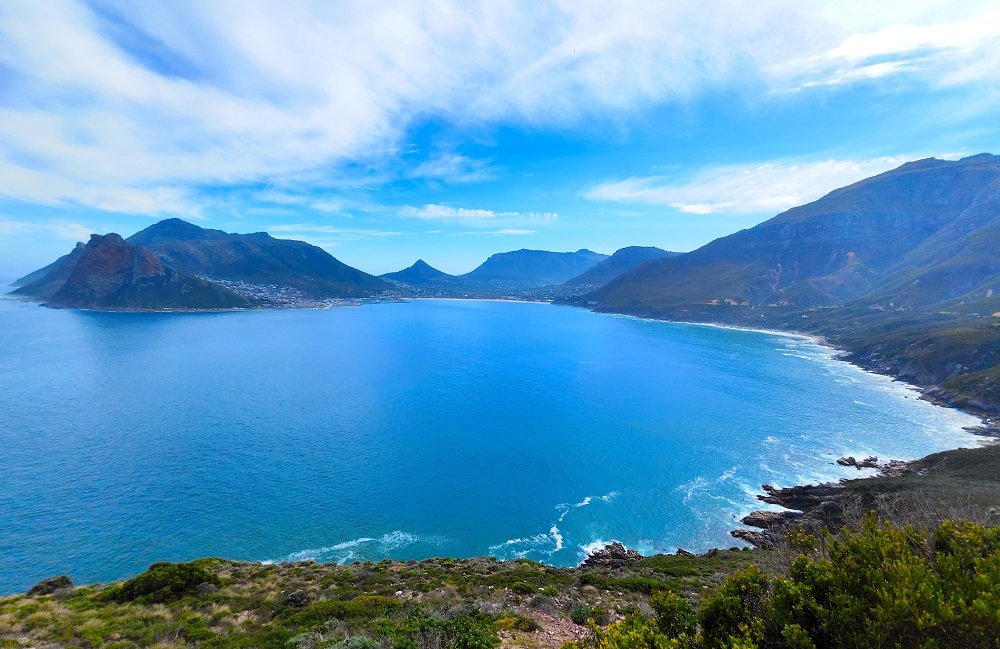
South Africa
Coastal drives & legendary game reserves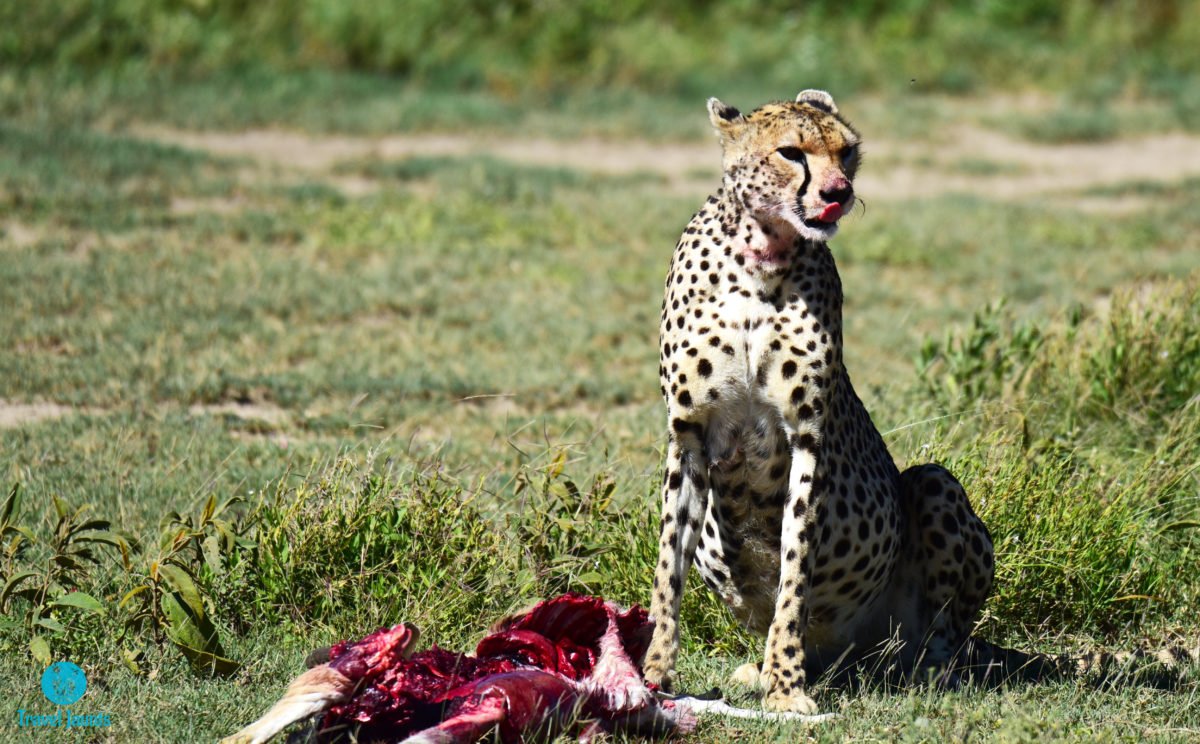
Tanzania
Serengeti plains & Zanzibar beaches
Seychelles
Granite beaches, turquoise waters, and island bliss.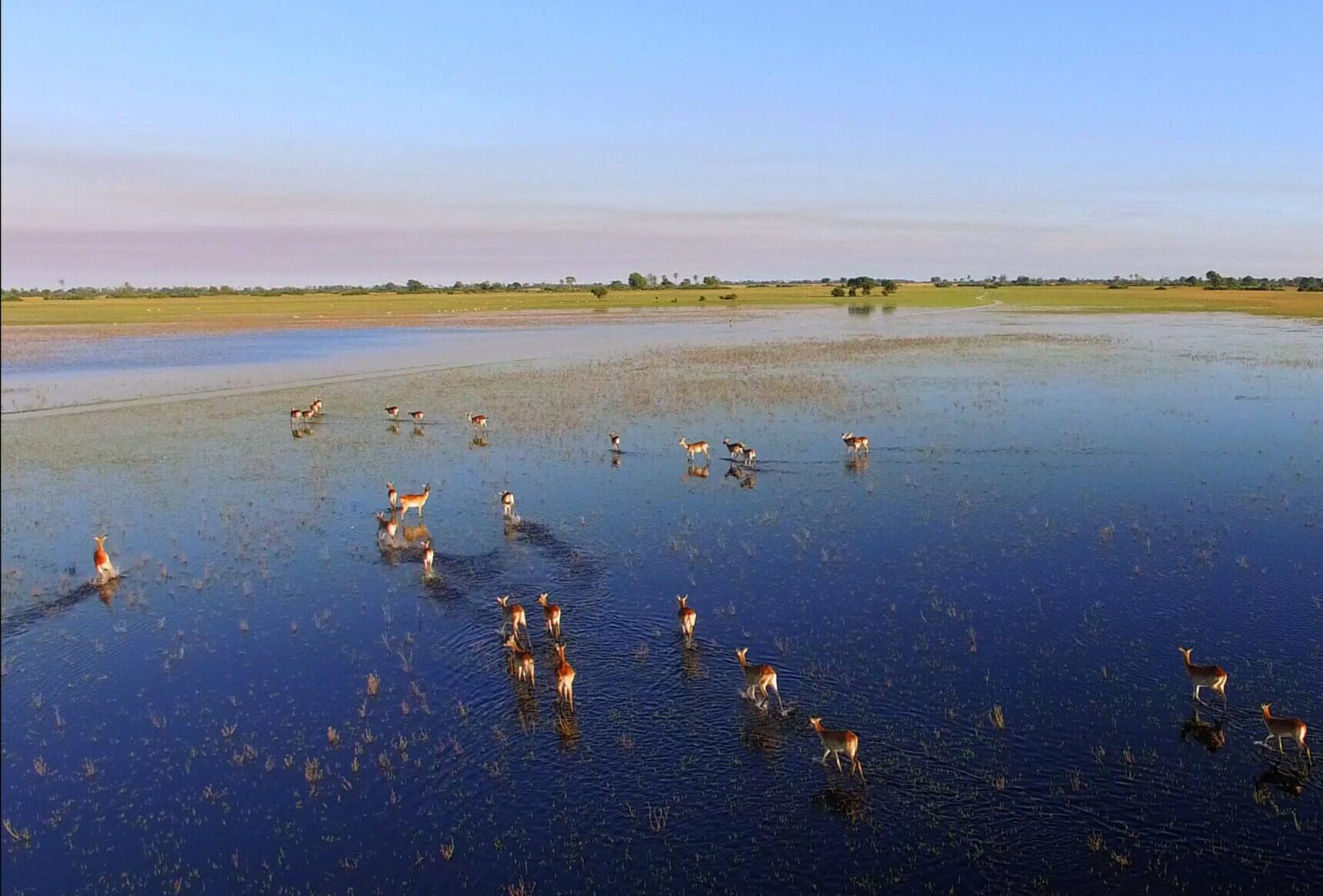
Botswana
Africa's finest wilderness and safari experiences.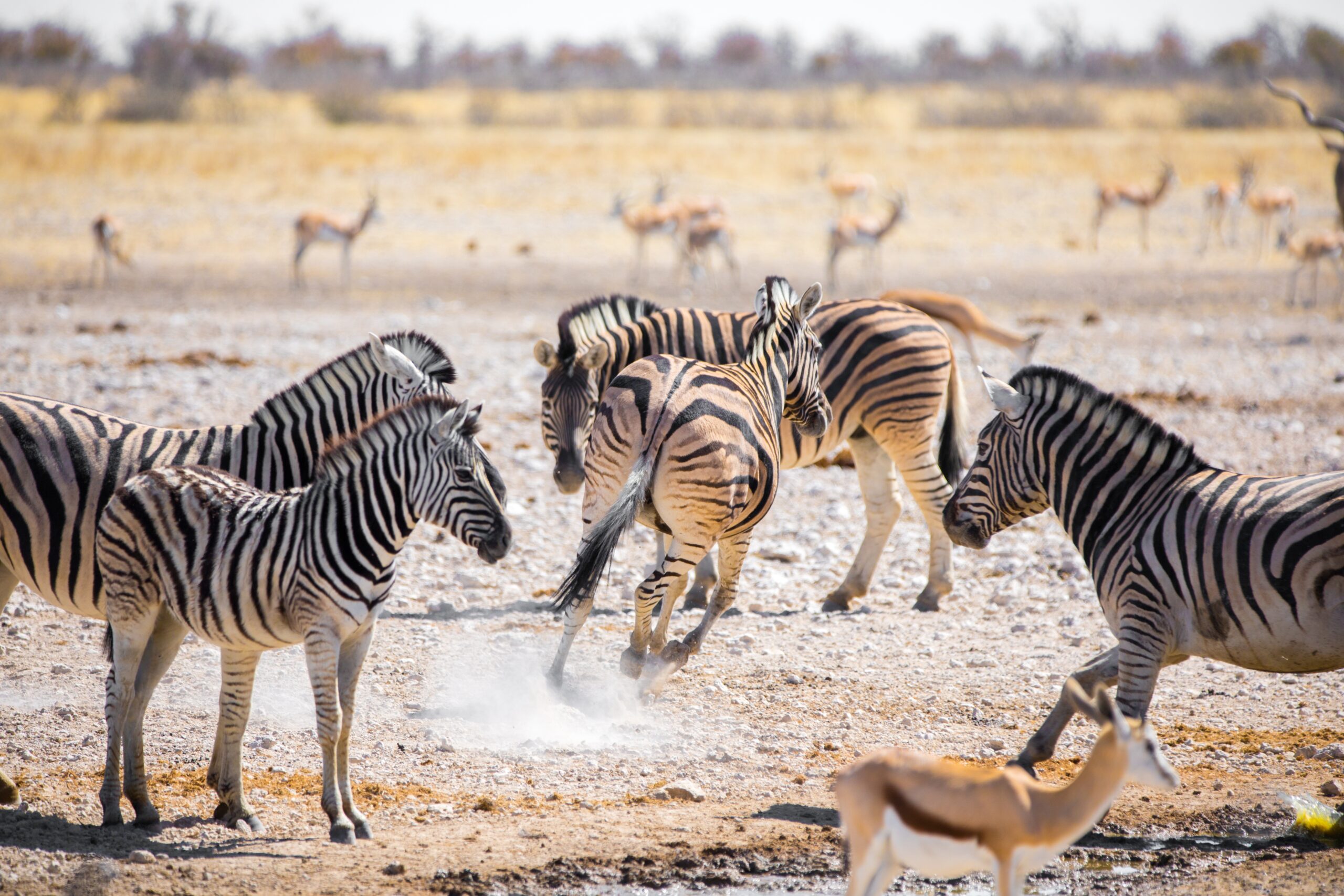
Namibia
Towering dunes, vast deserts, and dramatic landscapes.Things to Do
With lots of thrilling experiences to choose from, the African continent can be overwhelming for the first time traveller. Here’s a few which top our list
Experience Cape Town & The Cape Peninsula
Ride the cable car up Table Mountain, drive Chapman's Peak, visit Cape Point and the Cape of Good Hope, and explore the vineyards of Stellenbosch and Franschhoek.
Witness The Great Migration
Watch millions of wildebeest and zebra cross the Serengeti and Masai Mara in one of the greatest wildlife spectacles on Earth.
Explore The Ngorongoro Crater
Descend into a wildlife-rich volcanic caldera that offers some of Africa's finest game viewing.
Stay In The Okavango Delta
Explore Botswana's extraordinary waterways by mokoro canoe, boat, and safari vehicle while staying in some of Africa's most exclusive camps.
Discover Kruger National Park
One of the world's premier safari destinations, offering exceptional Big Five sightings alongside luxury lodges and private reserves
Visit Victoria Falls
Witness one of the planet's largest waterfalls from scenic viewpoints, helicopter flights, river cruises, and adventure activities.
Explore Mount Kilimanjaro
Whether climbing to the summit or admiring it from the surrounding wilderness, Africa's highest peak remains one of the continent's defining landmarks.
Visit Stone Town & Zanzibar
Discover centuries of Swahili, Arab, Persian, and European influence before relaxing on Zanzibar's beaches.
Discover The Namib Desert
Explore Sossusvlei, Deadvlei, and the towering red dunes of one of the world's oldest deserts.
Discover Kenya's Northern Wilderness & Rift Valley
Venture beyond the Masai Mara to experience Samburu's rugged landscapes, distinctive wildlife, and rich cultural heritage, before exploring Lake Nakuru's scenic Rift Valley setting and renowned rhino sanctuary.
Relax In Seychelles
Combine granite boulder beaches, crystal-clear waters, island hopping, and some of the Indian Ocean's finest resorts.
Cruise The Nile
Sail between Luxor and Aswan while exploring the temples, tombs, and monuments of ancient Egypt.
Explore Morocco's Imperial Cities
Discover the medinas, palaces, riads, souks, and culinary traditions of Marrakech, Fez, Rabat, and Meknes.
Track Mountain Gorillas In Rwanda
Spend time observing one of the world's most endangered primates in their natural habitat.
Experience A Hot Air Balloon Safari
Float above the Serengeti or Masai Mara at sunrise for one of Africa's most unforgettable wildlife experiences.
Minimum Recommended Duration
Some destinations deserve more time than others. The recommendations below reflect the minimum stay we suggest for experiencing each destination's major highlights and character without rushing through it.
Single Country Routes
Egypt
Explore the land of the Pharaohs, cruise down the Nile and discover one of the most prosperous civilizations of the ancient world.
Kenya
Experience national reserves where lions, cheetahs, elephants and rhinos can be observed.
Mauritius
Turquoise waters and fine white sand make Mauritiuseal for laid-back relaxation or aquatic adventures.
Morocco
Explore generous hospitality, vibrant culture, medinas and desert landscapes.
South Africa
Discover immense diversity, from Cape Town to legendary game reserves.
Tanzania
Home to Africa’s best national parks, tallest peak and a beautiful coast.
Combined Journeys & Safaris
Egypt – Morocco
15 - 20 DaysSouth Africa – Kenya
15 - 20 DaysKenya – Tanzania
10 - 15 DaysTanzania Safari
7 DaysKenya Safari
8 DaysKruger Safari
4 DaysEssential Travel Tips
A little preparation goes a long way in Africa. Understanding the continent's unique distances, seasons, wildlife, and travel logistics can significantly enhance your experience.
Pack For More Than One Climate
It is entirely possible to experience deserts, mountains, coastlines, cities, and safari regions on the same trip. Layers are often more useful than heavy clothing.
Safari Flights Have Strict Baggage Limits
Many safari destinations use small aircraft with weight restrictions. Soft-sided luggage is strongly recommended, and excess baggage may not be permitted.
Check Yellow Fever Requirements
Several African countries require proof of Yellow Fever vaccination, particularly when arriving from another African nation where the disease is present.
Distances Are Larger Than They Appear
Africa is vast. A journey that looks short on a map may involve multiple flights, road transfers, or overnight stays. Avoid overloading your itinerary
Wildlife Viewing Is Seasonal
Safari experiences vary significantly throughout the year. Research migration patterns, rainfall, and wildlife movements before selecting your travel dates.
Carry Some USD
US Dollars are widely accepted in many safari camps, lodges, and tourism businesses. Newer notes in good condition are often preferred.
Respect Local Cultures
Africa is extraordinarily diverse. Customs, dress expectations, and social norms vary significantly between countries and communities. A little cultural awareness goes a long way.
Build In Extra Time
Weather, wildlife sightings, road conditions, and regional flight schedules can occasionally affect travel plans. A flexible mindset often leads to the most memorable experiences.