


Asia Travel Guide
Asia Travel Guide
The Asia Handbook
An essential Asia travel guide covering country facts, entry requirements, local currencies, regional cuisines, and practical travel tips for planning your journey.
Basics & Quick Facts
Population
Asia is the world's largest and most populous continent, home to more than 4.8 billion people—approximately 60% of the global population. It includes both the world's most populous countries, India and China, as well as some of its most densely populated cities.Languages
Asia is one of the most linguistically diverse regions on Earth. Hundreds of languages are spoken across the continent, with Mandarin Chinese, Hindi, Arabic, Indonesian, Japanese, Korean, Thai, and Vietnamese among the most widely used. English is commonly spoken in many tourism-focused destinations, although learning a few local phrases can greatly enhance the travel experience.Currency
Each country maintains its own currency, although the US Dollar is widely accepted or easily exchanged in many destinations. Credit cards are increasingly common across major cities and tourist regions, though cash remains important in rural areas and local markets.Interesting Facts
- Asia is home to some of the world's oldest civilizations, including those of India, China, Mesopotamia, and Persia.
- The continent contains the world's highest mountain, Mount Everest, and the deepest lake, Lake Baikal.
- Asia is home to remarkable wildlife including tigers, giant pandas, snow leopards, orangutans, Indian rhinoceroses, and Asian elephants.
- More people live in Asia than in all other continents combined.
- The continent spans deserts, rainforests, mountains, islands, megacities, and some of the world's most important cultural and spiritual sites.
Destinations At A Glance
India
A land of spirituality, diverse cultures, extraordinary cuisine, ancient traditions, and some of the world's most vibrant travel experiences.Myanmar
Known for its golden pagodas, timeless landscapes, and rich Buddhist heritage.Bhutan
A Himalayan kingdom celebrated for its focus on sustainability, cultural preservation, and Gross National Happiness.Indonesia
The world's largest archipelago, offering everything from Bali's temples and beaches to remote islands, volcanoes, and remarkable biodiversity.Nepal
Home to Mount Everest and eight of the world's fourteen highest peaks, Nepal is a paradise for mountain lovers and trekkers.China
One of the world's oldest civilizations, known for the Great Wall, imperial history, diverse landscapes, and extraordinary cultural heritage.Japan
A fascinating blend of ancient tradition and modern innovation, renowned for its cuisine, design, hospitality, and natural beauty.Cambodia
Home to the magnificent Angkor Wat, one of the world's greatest archaeological and architectural treasures.Food & Culture
Religion
Asia is the birthplace of many of the world's major religions, including Hinduism, Buddhism, Jainism, Sikhism, Taoism, Confucianism, Christianity, and Islam. Religious traditions continue to shape everyday life, festivals, architecture, cuisine, and culturalentity across much of the continent. From the temples of Kyoto and Angkor Wat to the ghats of Varanasi and the mosques of Istanbul, faith remains deeply woven into the Asian experience.Art & Architecture
Asia's architectural heritage is among the richest in the world. Ancient temples, imperial palaces, forts, mosques, shrines, monasteries, and historic cities showcase centuries of artistic and cultural achievement. Traditional art forms vary widely across the continent, from Chinese ink paintings and Japanese woodblock prints to Indian miniature art, Indonesian batik, Persian carpets, and intricate Buddhist sculptures. Many artistic traditions continue to thrive alongside contemporary design and architecture.Customs & Traditions
Family, community, respect for elders, and cultural heritage remain important values across many Asian societies. While customs differ greatly between countries, visitors will often encounter traditions shaped by centuries of religion, history, and localentity. Festivals are an integral part of life throughout Asia. Celebrations such as Diwali in India, Lunar New Year across East Asia, Songkran in Thailand, Vesak in Sri Lanka, and numerous regional festivals offer travellers a unique window into local culture and traditions.Food
Food is one of Asia's greatest attractions. From Japanese sushi and Thai curries to Indian cuisine, Chinese regional cooking, Vietnamese street food, and Middle Eastern flavours, the continent offers one of the world's most diverse culinary landscapes. Rice, noodles, spices, herbs, seafood, vegetables, and slow-cooked meats form the foundation of many regional cuisines, while street food remains an important part of everyday life across much of Asia.Clothing
Traditional attire continues to play an important role in many Asian cultures. Whether it is the kimono in Japan, hanbok in Korea, sari in India, áo dài in Vietnam, or kebaya in Indonesia, traditional dress reflects local history, craftsmanship, and culturalentity. While modern clothing is the norm in most cities, traditional garments remain widely worn during festivals, ceremonies, weddings, and important cultural occasions, adding colour and character to the region's rich cultural landscape.Major International Airports in Asia
Most visitors arrive through one of the major international airports listed below before continuing to their final destination by domestic flight, train, road transfer, or ferry.
The following airports serve as the primary international gateways to some of Asia's most popular destinations.
India
• Indira Gandhi International Airport (Delhi)
• Chhatrapati Shivaji Maharaj International Airport (Mumbai)
• Kempegowda International Airport (Bengaluru)
China
• Beijing Capital International Airport (Beijing)
• Shanghai Pudong International Airport (Shanghai)
• Guangzhou Baiyun International Airport (Guangzhou)
Japan
• Haneda Airport (Tokyo)
• Narita International Airport (Tokyo)
• Kansai International Airport (Osaka)
Indonesia
• Ngurah Rai International Airport (Bali)
• Soekarno-Hatta International Airport (Jakarta)
Singapore
• Singapore Changi Airport
Malaysia
• Kuala Lumpur International Airport (Kuala Lumpur)
• Kota Kinabalu International Airport (Sabah)
Thailand
• Suvarnabhumi Airport (Bangkok)
• Phuket International Airport (Phuket)
• Chiang Mai International Airport (Chiang Mai)
• Krabi International Airport (Krabi)
Cambodia
• Phnom Penh International Airport (Phnom Penh)
• Siem Reap–Angkor International Airport (Siem Reap)
Vietnam
• Tan Son Nhat International Airport (Ho Chi Minh City)
• Noi Bai International Airport (Hanoi)
• Da Nang International Airport (Da Nang)
Laos
• Wattay International Airport (Vientiane)
• Luang Prabang International Airport (Luang Prabang)
Myanmar
• Yangon International Airport (Yangon)
Bhutan
• Paro International Airport (Paro)
Nepal
• Tribhuvan International Airport (Kathmandu)
Sri Lanka
• Bandaranaike International Airport (Colombo)
Philippines
• Ninoy Aquino International Airport (Manila)
• Mactan-Cebu International Airport (Cebu)
Taiwan
• Taiwan Taoyuan International Airport (Taipei)
• Kaohsiung International Airport (Kaohsiung)
South Korea
• Incheon International Airport (Seoul)
Maldives
• Velana International Airport (Malé)
Best Time To Visit Asia
Broad Seasonal Patterns
Spring: March to May Summer: June to August Autumn: September to November Winter: December to FebruaryTravel Jaunts Tip
Always check the climate of your specific destination before booking. Monsoons, typhoons, altitude, and regional weather systems can significantly influence travel conditions, even within the same country.Visa Requirements for Indian citizens
Important Notice
Visa regulations, travel authorisations, passport validity requirements, and entry procedures can change without notice. The information below is intended as a general guide only. Travelers should verify the latest requirements with the relevant embassy, consulate, or official immigration authority before departure.Visa-Free Entry
Bhutan Indian citizens do not require a visa to visit Bhutan. A valid passport or voter card is generally sufficient for entry, subject to prevailing immigration requirements. Nepal Indian citizens do not require a visa to enter Nepal and enjoy one of the most liberal travel arrangements in Asia. Thailand Indian citizens currently benefit from visa-free entry for tourism, subject to prevailing government regulations and permitted length of stay. Malaysia Indian citizens currently enjoy visa-free entry for short tourist visits under the present policy framework.eVisa / Online Approval Required
India Many foreign nationals are eligible for India's eVisa programme, which must be obtained before arrival. Vietnam Indian citizens can apply for an eVisa online before travel. Applying in advance is strongly recommended. Sri Lanka Indian citizens generally require an Electronic Travel Authorisation (ETA) before arrival. The process is completed online and is typically straightforward.Visa Required Before Travel
China Indian citizens generally require a visa before arrival. Visa applications should be completed through the appropriate Chinese visa application process before travel. Japan Indian citizens generally require a visa before travel, although eligibility for simplified procedures may vary. Applications should be made before departure.Visa On Arrival / Easy Entry
Indonesia Indian citizens are generally eligible for Visa on Arrival facilities at major international airports, including Bali and Jakarta. Cambodia Indian citizens can typically obtain a visa on arrival or apply online before travel. Laos Indian citizens are generally eligible for visa-on-arrival facilities at major entry points. Myanmar Entry requirements vary depending on the latest regulations. Indian travellers should check current visa requirements before booking travel. Maldives Indian citizens receive a visa on arrival and enjoy one of the easiest entry procedures in Asia.Travel Jaunts Tip
Visa-free travel does not always mean paperwork-free travel. Some destinations may still require electronic travel authorisations, arrival declarations, proof of accommodation, onward travel, or evidence of sufficient funds before entry.Costs (approx)
Southeast Asia (Mid-Range Travel)
Accommodation: USD 50–120 per night Food: USD 15–40 per person per day, depending on dining preferences Drinks: USD 1–5 for local beverages and beer Local Transport: USD 1–10 per day using public transport; private transfers and car hire cost considerably more Sightseeing & Activities: USD 5–30 per attraction, with premium experiences costing moreImportant Notes
- Costs vary significantly between countries, cities, and seasons.
- Major cities such as Singapore, Tokyo, Seoul, Hong Kong, and Dubai command considerably higher prices than most Southeast Asian destinations.
- Island destinations, luxury resorts, and remote regions often cost substantially more than mainland cities.
- All prices are approximate and quoted in USD.
- Costs are based on per person, per day averages unless otherwise stated.
Destinations & Attractions
From the Himalayas and the Taj Mahal to Angkor Wat, Kyoto's temples, Bali's rice terraces, and the futuristic skylines of Singapore, Asia is a continent of extraordinary contrasts.
Home to ancient civilizations, diverse cultures, remarkable cuisines, sacred traditions, and some of the world's most beautiful landscapes, Asia offers an unparalleled variety of travel experiences. One journey may take you through bustling megacities and centuries-old temples, while the next leads to remote mountains, tropical islands, or untouched wilderness.
Often regarded as the spiritual heart of the world, Asia continues to attract travellers seeking history, culture, nature, adventure, wellness, and deeper connections with place.
The continent is also one of the most accessible for travellers, offering everything from budget-friendly adventures to some of the world's most exclusive luxury experiences.
Whether you choose to explore a single country in depth or combine several destinations into one journey, Asia rewards curiosity, flexibility, and a willingness to embrace its remarkable diversity.
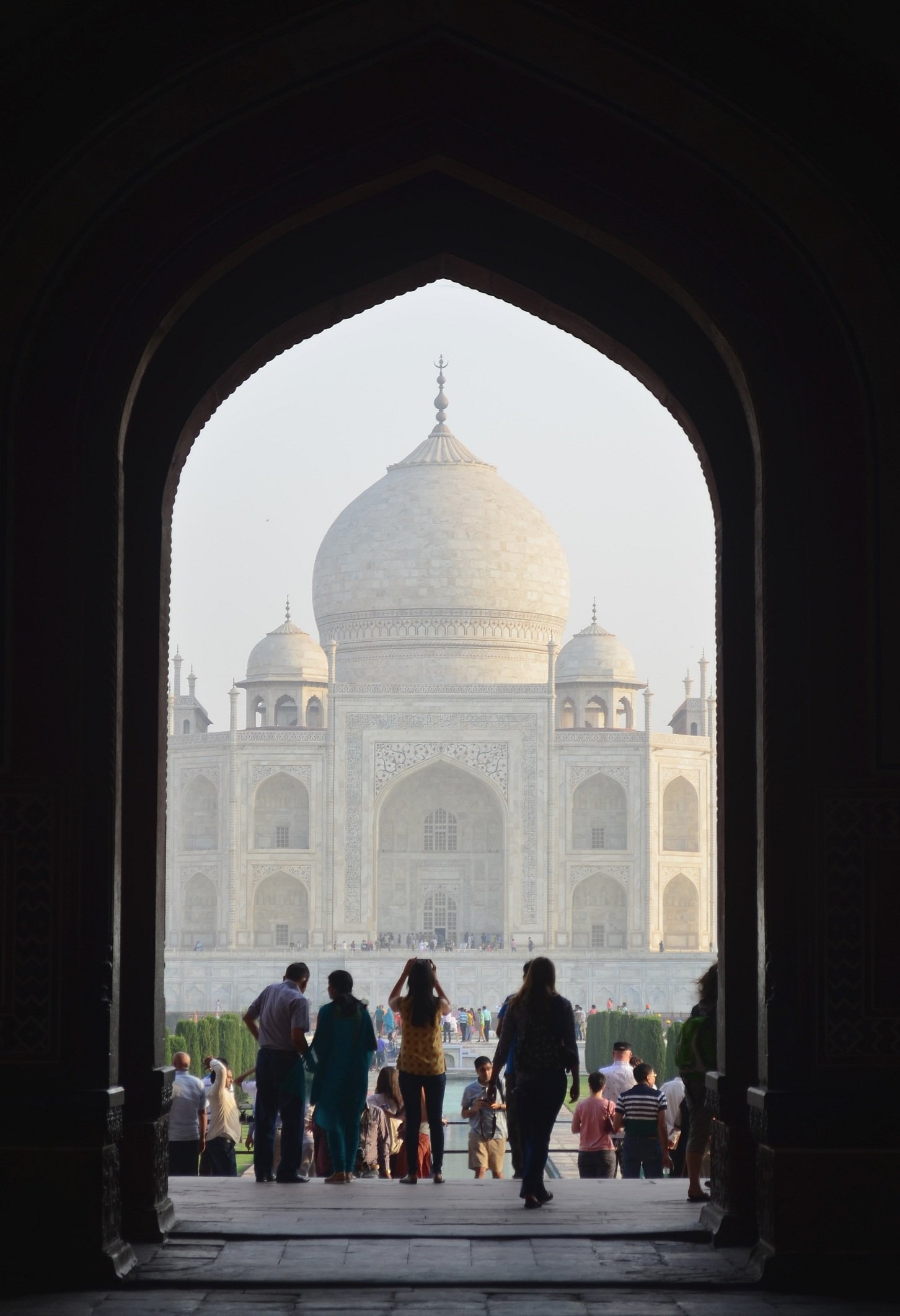
India
A civilization-sized journey where culture, spirituality, wildlife, luxury, and chaos coexist like nowhere else on earth.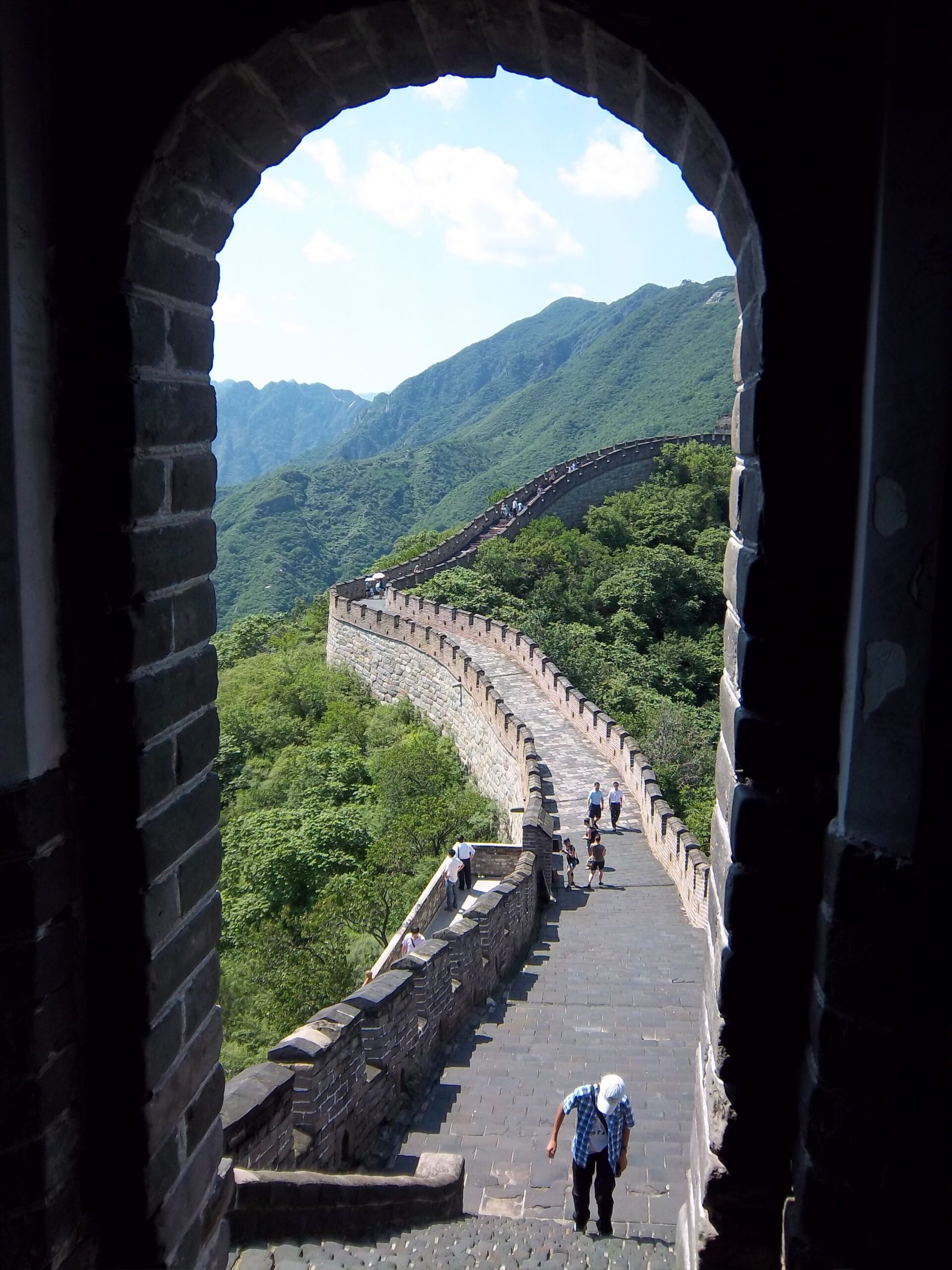
China
Ancient wonders and futuristic ambition woven into one of the world's most complex travel experiences.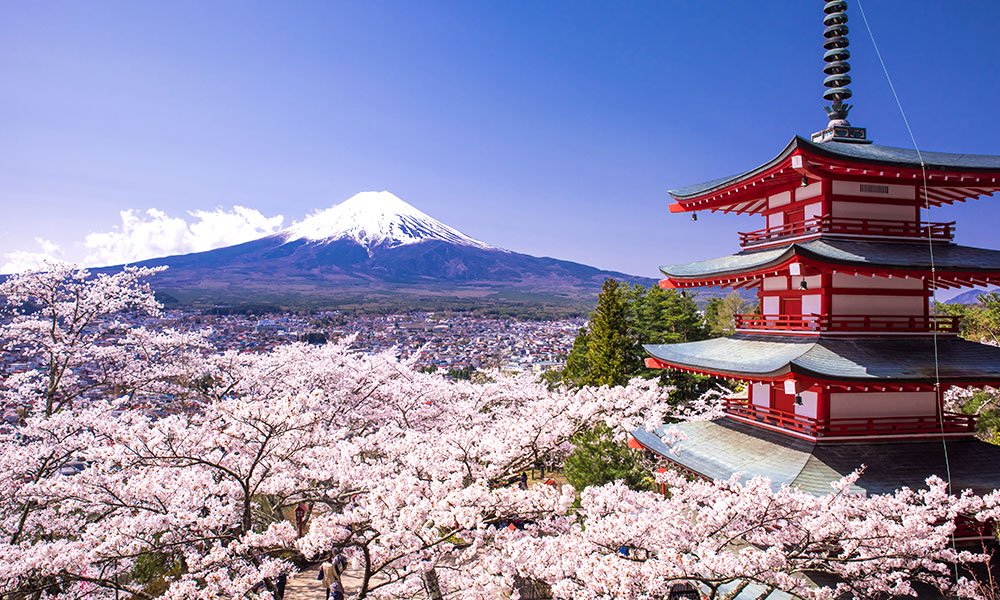
Japan
A masterclass in beauty, precision, tradition, and hospitality that rewards every kind of traveler.
Singapore
A remarkably efficient city-state where luxury, architecture, dining, and urban design converge seamlessly.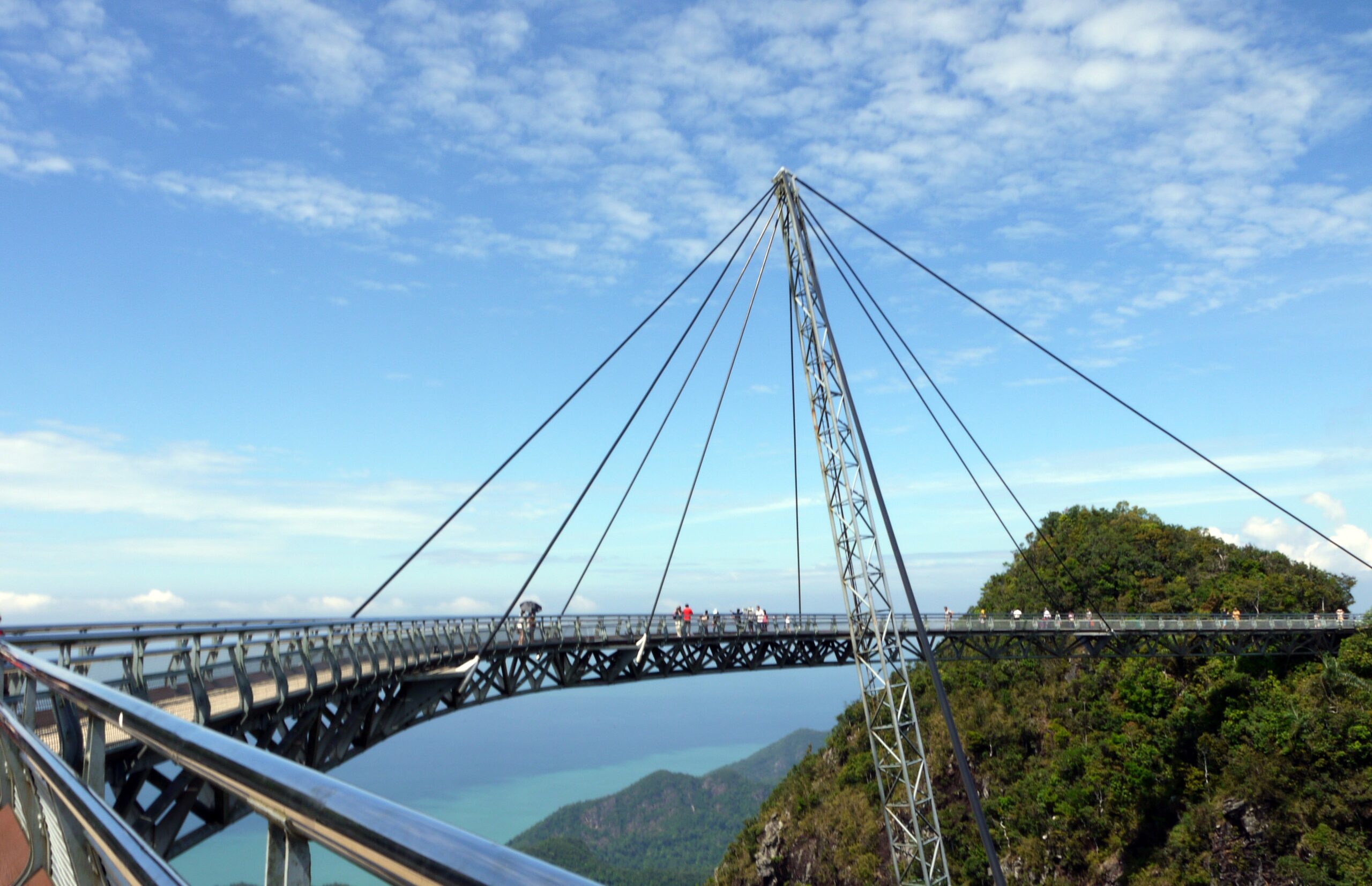
Malaysia
A diverse blend of cultures, rainforests, islands, cities, and cuisine often overlooked by luxury travelers.
Thailand
A destination that effortlessly combines tropical beauty, hospitality, culture, wellness, and indulgence.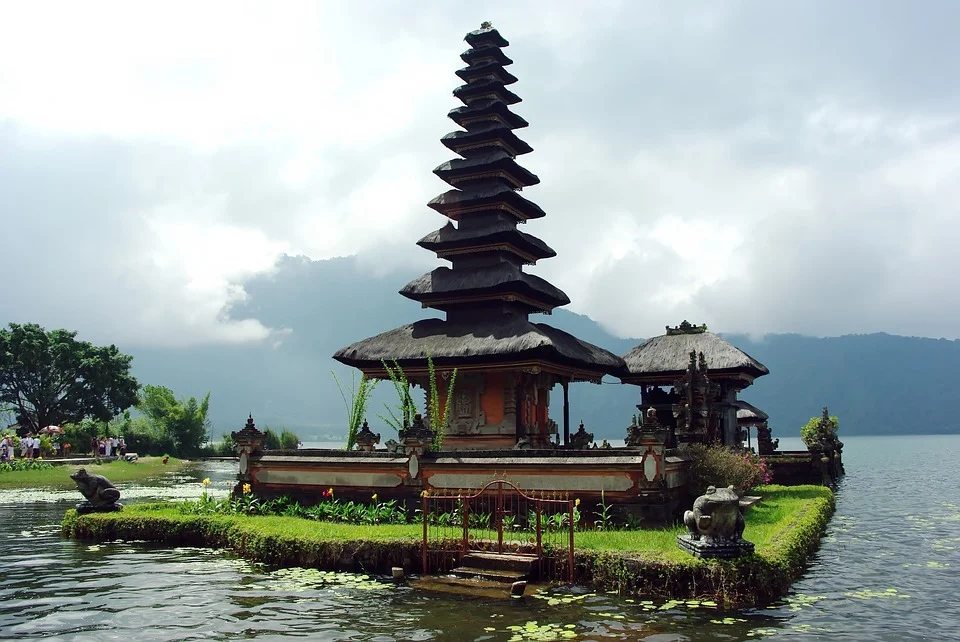
Indonesia
An archipelago of volcanoes, jungles, temples, and islands that extends far beyond Bali.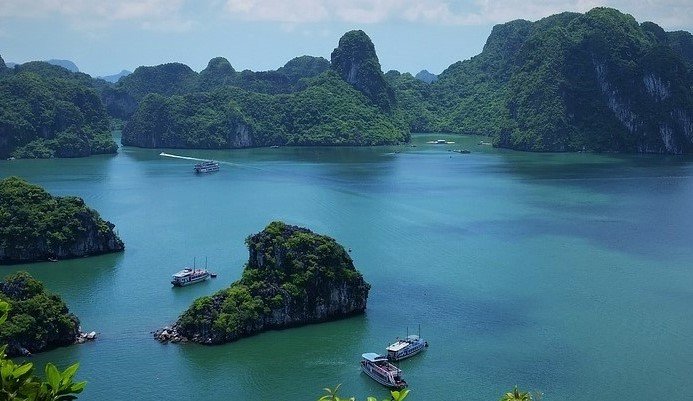
Vietnam
A captivating mix of dramatic landscapes, rich history, vibrant culture, and exceptional value.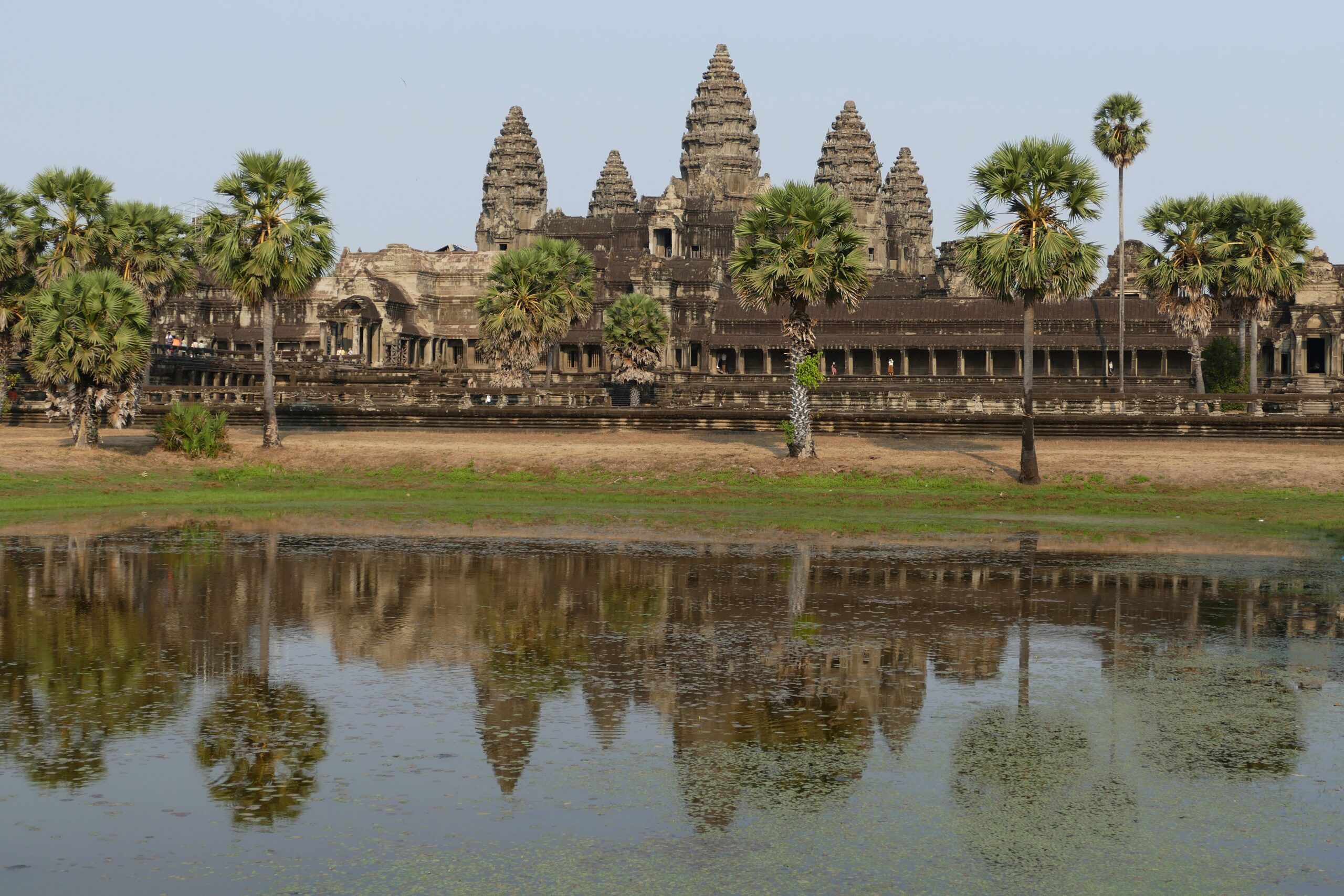
Cambodia
Home to one of the world's greatest archaeological treasures and a culture shaped by resilience.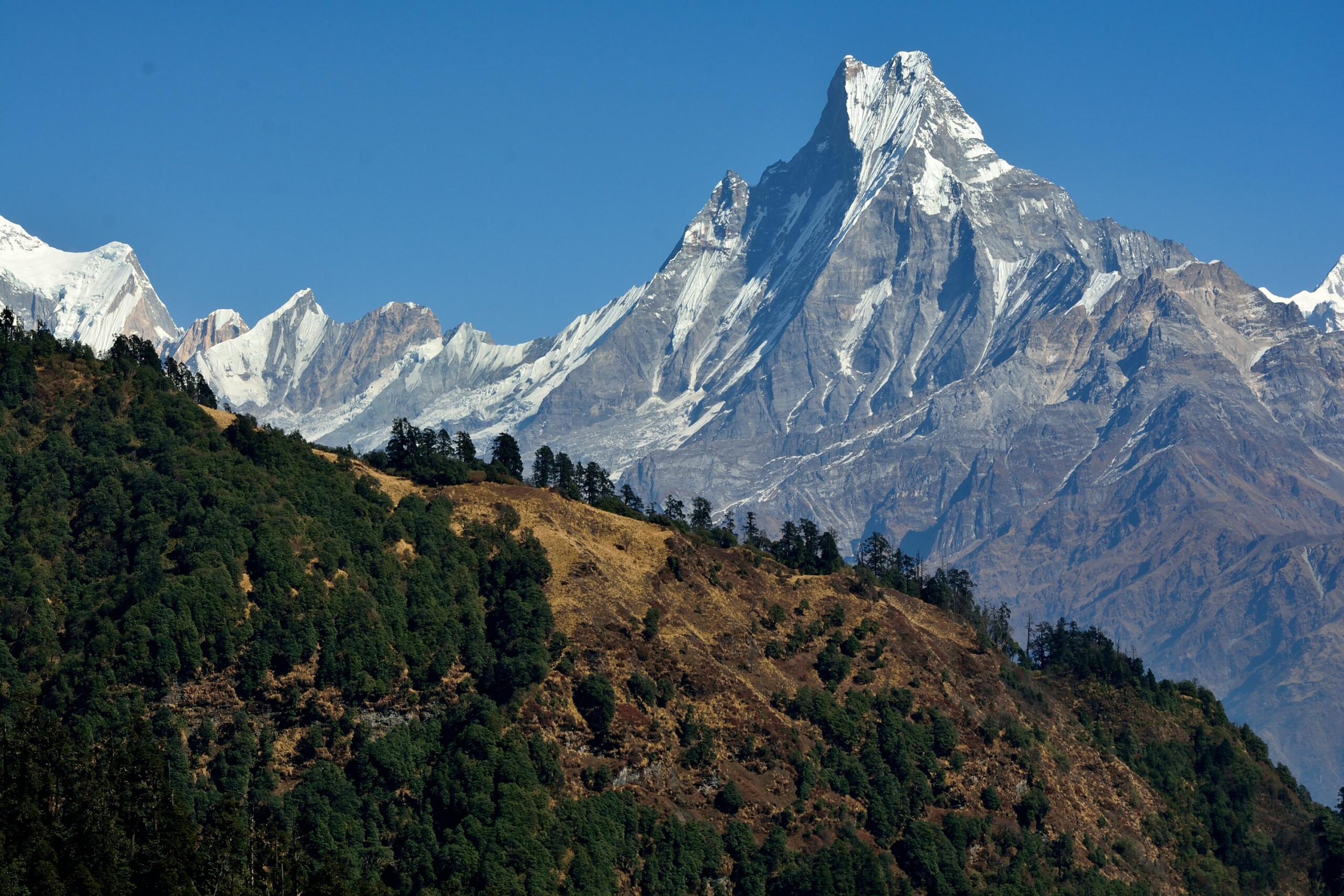
Nepal
A land of Himalayan grandeur, spiritual depth, and some of the world's most rewarding mountain journeys.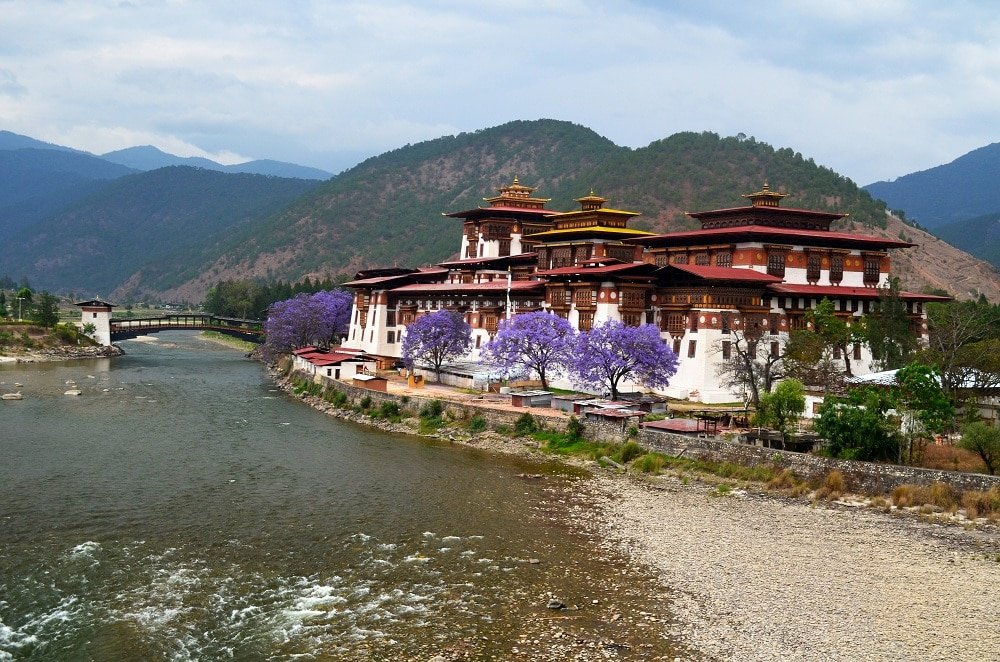
Bhutan
A rare kingdom where happiness, heritage, and Himalayan beauty remain central to everyday life.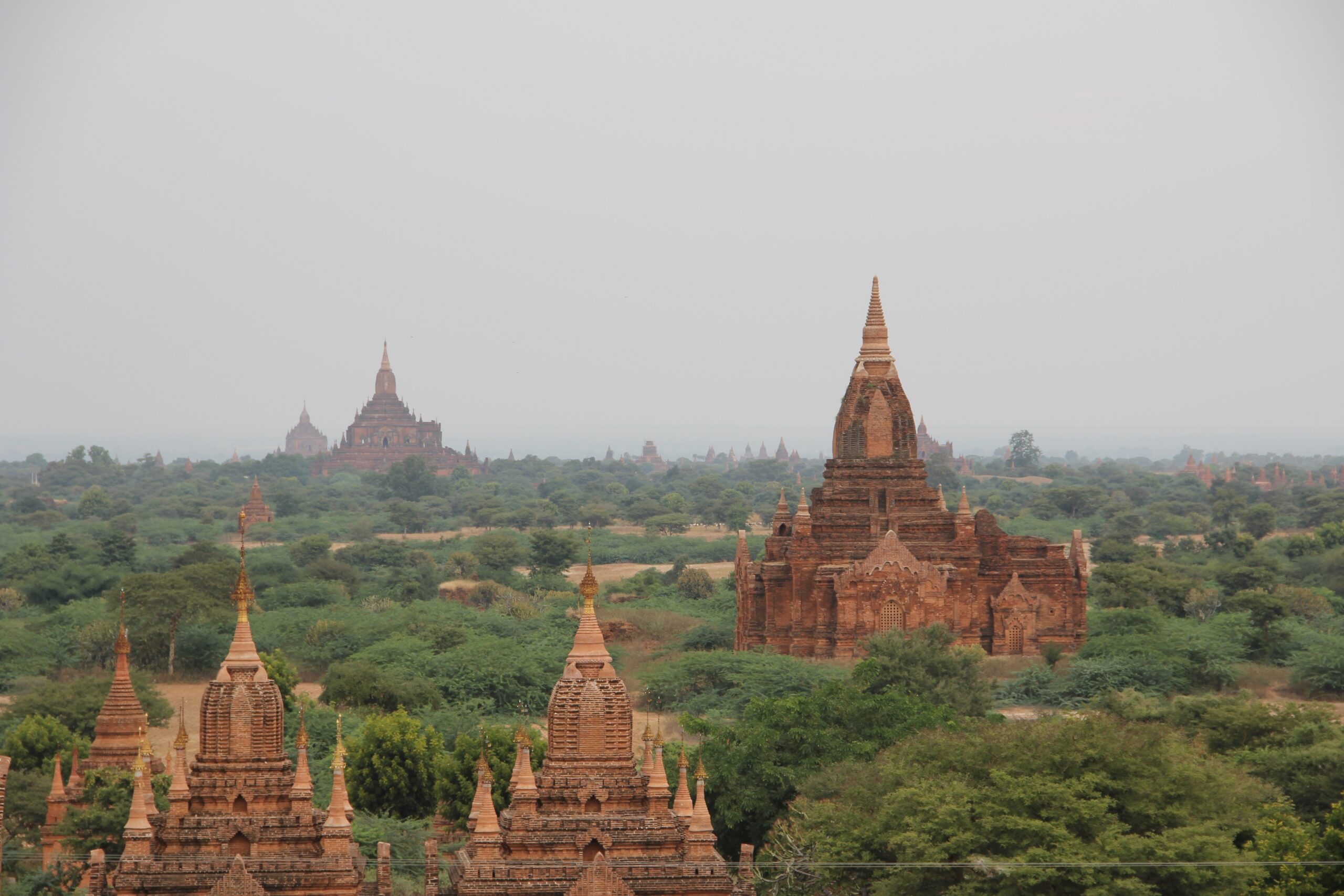
Myanmar
A land of golden pagodas, timeless landscapes, and cultural depth, best experienced when conditions allow.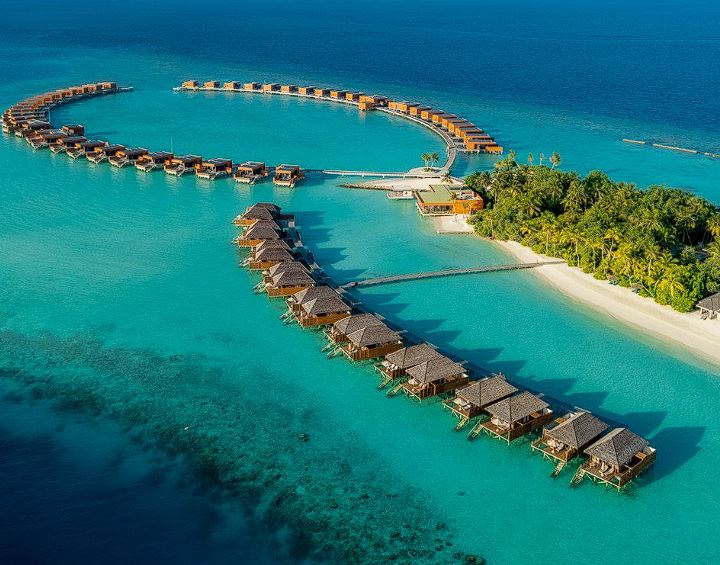
Maldives
The benchmark for tropical luxury, where overwater villas and turquoise lagoons create near-perfect escapism.
Srilanka
A compact island packed with wildlife, beaches, tea country, culture, and remarkable diversity.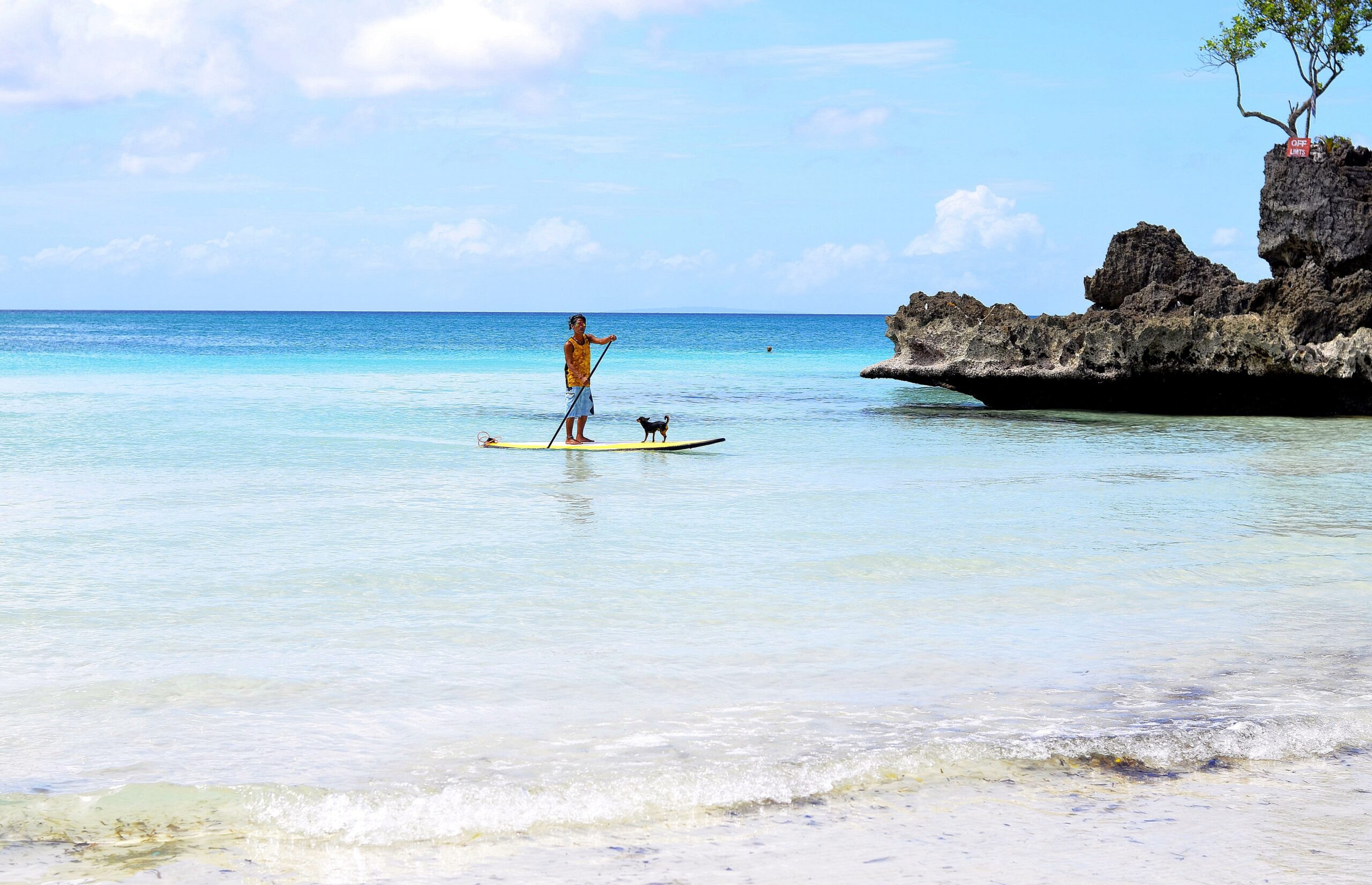
Phillipines
Thousands of islands offering pristine beaches, crystal-clear waters, and some of Asia's finest marine experiences.Things to Do
Asia is not one destination. It is a collection of civilizations, landscapes, religions, cuisines, and cultures that span from the Himalayas to tropical islands and futuristic cities. While every journey through Asia is different, these are some of the experiences that deserve a place on almost every traveler's bucket list.
Experience India's Palaces, Forts & Living Heritage
Walk through the grandeur of the Taj Mahal, explore the abandoned Mughal city of Fatehpur Sikri, and experience royal India in Rajasthan. Stay in former palaces and havelis in Udaipur, Jodhpur, Jaipur, or Jaisalmer and discover a world where history still feels alive.
Trek Through The Himalayas
The Himalayas offer some of the world's most rewarding mountain journeys. Whether it's the Everest Base Camp Trek in Nepal, Annapurna Circuit, Kashmir Great Lakes Trek in India, or Bhutan's legendary Snowman Trek, few experiences rival the scale and beauty of these mountains.
Walk The Great Wall Of China
One of the world's greatest engineering achievements, the Great Wall stretches across mountains and valleys for thousands of kilometers. Skip the crowded sections near Beijing and explore quieter stretches for a more memorable experience.
Discover The Contrasts Of Hong Kong
Where East meets West, Hong Kong combines skyscrapers, traditional markets, world-class dining, vibrant nightlife, and stunning harbour views into one of Asia's most energetic cities.
Experience The Beauty Of Japan
Wander through Kyoto's temples and bamboo groves, witness cherry blossoms in spring or autumn colours in fall, relax in traditional ryokans, soak in an onsen, and experience a culture that blends ancient traditions with modern innovation
Cruise Through Vietnam's Natural Wonders
Sail among the limestone karsts of Halong Bay, explore caves and hidden beaches, then travel south to the Mekong Delta to discover floating markets, riverside villages, orchards, and local life along Asia's great waterways.
Explore The Temples Of Angkor
The temple complex of Angkor in Cambodia remains one of the world's greatest archaeological treasures. Sunrise at Angkor Wat is an experience few travelers forget.
Experience Singapore With Family
Singapore combines world-class attractions with remarkable efficiency. Visit Gardens by the Bay, the Night Safari, Singapore Zoo, Sentosa Island, and Marina Bay while enjoying one of Asia's easiest cities to explore.
Discover Bali Beyond The Beaches
Visit Ubud for art, culture, rice terraces, temples, wellness retreats, and traditional Balinese life. Bali remains one of Asia's most rewarding destinations for relaxation, creativity, and spiritual exploration.
Island-Hop Through Thailand
Explore the beaches and islands of southern Thailand, including Phi Phi Islands, Phang Nga Bay, and the Similan Islands. Combine them with Bangkok's street food, floating markets, temples, and nightlife for a complete Thai experience.
Float Above Bagan At Sunrise
A hot-air balloon ride over the thousands of ancient temples and pagodas of Bagan is one of Southeast Asia's most spectacular experiences.
Enjoy The Beaches Of The Philippines
From Boracay's lively atmosphere to the dramatic islands of Palawan, the Philippines offers some of Asia's most beautiful beaches, turquoise waters, and island-hopping adventures.
Hike To Tiger's Nest Monastery
Perched dramatically on a cliffside in Bhutan, Tiger's Nest Monastery is one of Asia's most iconic landmarks. The hike is challenging enough to feel rewarding yet accessible to most travelers.
Explore Malaysia's Tropical Islands
Island-hop around Langkawi, relax on pristine beaches, discover hidden coves, and experience Malaysia's unique blend of Malay, Chinese, and Indian cultures.
Rejuvenate Through Asian Wellness Traditions
Asia remains the world's spiritual and wellness heartland. Experience Ayurveda in India, traditional Thai therapies, Balinese spa rituals, Japanese onsens, yoga retreats, meditation programs, and holistic healing traditions that have evolved over centuries.
Essential Travel Tips
A little preparation goes a long way in Asia. Understanding the continent's unique distances, seasons, culture, and travel logistics can significantly enhance your experience.
Plan Around Seasons, Not Just Destinations
Asia's experiences are heavily influenced by weather. Monsoons, humidity, extreme heat, typhoons, and seasonal closures can significantly affect a trip. Research the best time to visit each destination before finalizing your itinerary.
Prioritize Location Over Hotel Size
A beautiful hotel in the wrong location can waste valuable vacation time. Choose properties that place you close to the experiences you came for, whether that is culture, nature, dining, beaches, or wildlife.
Book Signature Experiences In Advance
The most sought-after experiences often have limited availability. Michelin-starred restaurants, private guides, luxury trains, special permits, wildlife safaris, and exclusive cultural experiences should be secured well before arrival.
Respect Local Culture And Traditions
Asia's diversity is one of its greatest strengths. Dress appropriately when visiting religious sites, learn basic local etiquette, and approach different customs with curiosity and respect.
Leave Space In Your Itinerary
One of the biggest mistakes luxury travelers make is over-scheduling. Allow time to enjoy the property, explore neighborhoods spontaneously, and embrace unexpected discoveries.
Use Local Expertise
The difference between a good trip and an exceptional one often comes from local knowledge. Trusted guides, destination specialists, and well-connected concierges can unlock experiences that are difficult to discover independently.
Pack For Comfort And Flexibility
Asia can take you from tropical beaches to mountain regions within the same journey. Pack versatile clothing, comfortable footwear, and layers suitable for changing climates.
Wellness Matters
Long flights, changing climates, and busy itineraries can be exhausting. Stay hydrated, allow time for recovery after long journeys, and avoid trying to see everything in a single trip.
Understand Service And Tipping Expectations
Tipping customs vary widely across Asia. In some countries it is appreciated, while in others it may be uncommon. Learn local practices before you travel.
Travel Insurance Is Essential
Even the most carefully planned trips can encounter disruptions. Comprehensive travel insurance provides peace of mind for medical emergencies, cancellations, delays, and lost baggage.
Travel Slower, Experience More
Asia is not a destination to be rushed. Whether exploring Kyoto's temples, Rajasthan's palaces, Bhutan's monasteries, or the islands of Indonesia, fewer destinations often create a richer and more memorable journey.