


The Ultimate African Safari Showdown: Masai Mara vs. Ngorongoro Crater vs. Okavango Delta
Quick Snapshot
| Masai Mara (Kenya)Southwestern Kenya | Ngorongoro Crater (Tanzania)Northern Tanzania Highlands | Okavango Delta (Botswana)Northern Botswana Wilderness | |
|---|---|---|---|
| Location | Southwestern Kenya | Northern Tanzania Highlands | Northern Botswana Wilderness |
| Best Time to Visit | July to October (Great Migration & river crossings) | Year-round (Permanent resident wildlife) | May to October (Peak winter floodwaters arrival) |
| The Essence | High-density big cat theater | Premium, ancient volcanic animal heaven | Elite, fly-in water isolation |
| Stay Duration | 4–5 Nights | 2–3 Nights (Best combined with Serengeti) | 3–5 Nights |
| Price Range | Moderately Expensive to High-End Luxury | Premium Investment (High crater entry & vehicle fees) | Pinnacle Capital Investment ($2,500+ per night) |
| Ideal Travelers | First-Timers, Active Photographers, Families | Luxury Connoisseurs, Landscape Enthusiasts | Honeymooners, Seclusion Seekers, Pure Purists |
| Room Experience | Open-canvas luxury tented camps on riverbanks | Opulent stone-and-glass lodges clinging to the volcanic rim | Ultra-private wooden pavilions over floating channels |
| Privacy & Exclusivity | Moderate; high vehicle density near key crossing hubs | Controlled; strict vehicle caps but compressed floor space | Absolute; private concessions with strict low-volume zoning |
Quick Verdict
Evaluating the untamed frequencies of the Masai Mara, Ngorongoro Crater, and Okavango Delta reveals three entirely different worlds of luxury travel. When compiling an honest review of the best African safari experiences, the ultimate choice comes down to matching your inner rhythm to how each unique ecosystem manages its space, terrain, and tracking style. Choose the Masai Mara for fast-paced, high-density predator action and sweeping migration scales, or invest in Ngorongoro’s premium, closed-caldera animal heaven for dramatic, high-walled scenery. However, if your soul craves absolute elite isolation inside an untouched maze of flooded water channels entirely removed from commercial crowds, a fly-in Botswana expedition stands completely alone.
The decision to step out onto the golden plains of East Africa, descend into a prehistoric volcanic caldera, or navigate the crystal-clear flooded channels of a desert delta dictates every single hour of your journey. When framing an honest review of the best African safari experiences, looking past generic brochures reveals that these three landmarks are built on entirely separate natural canvases. They do not compete with one another; instead, they serve completely different travel intents.
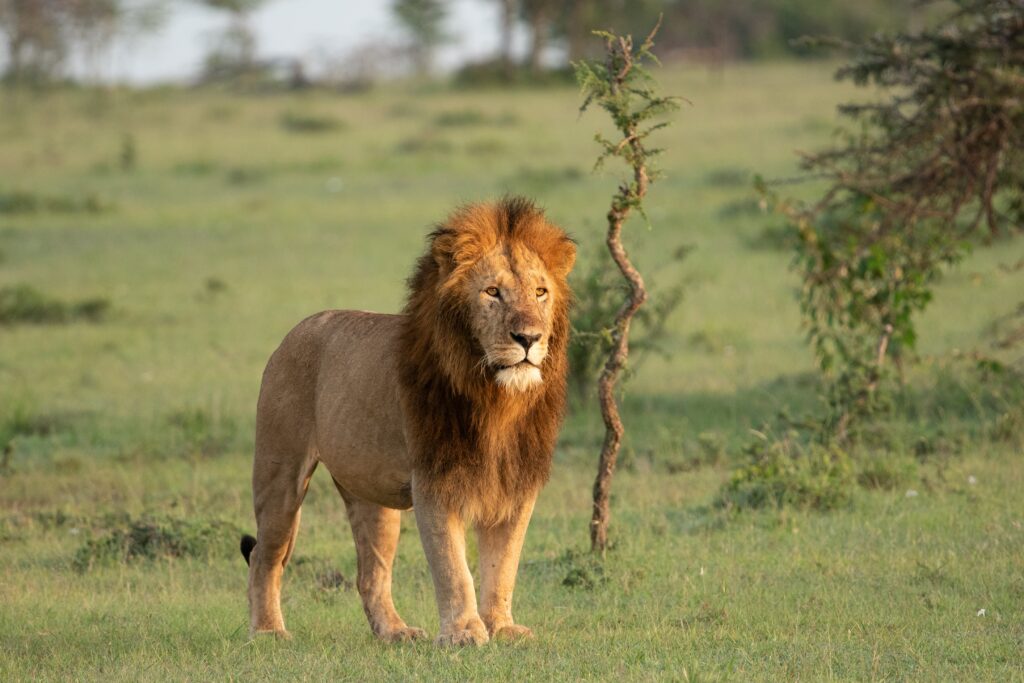
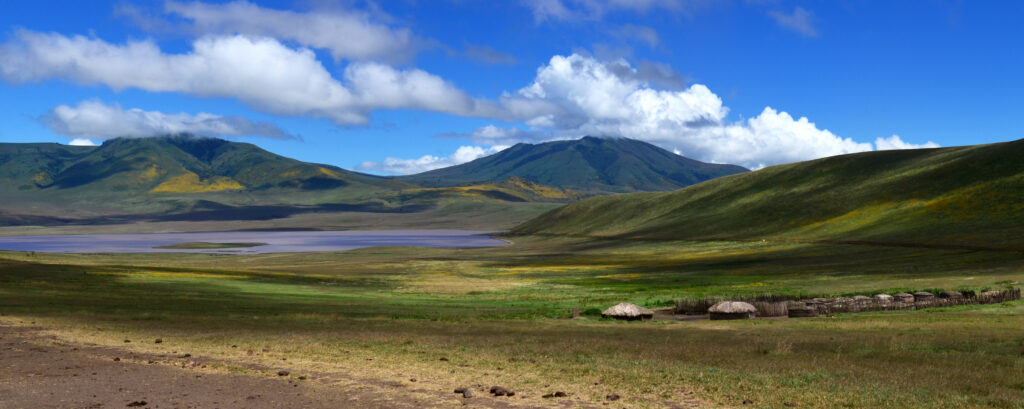
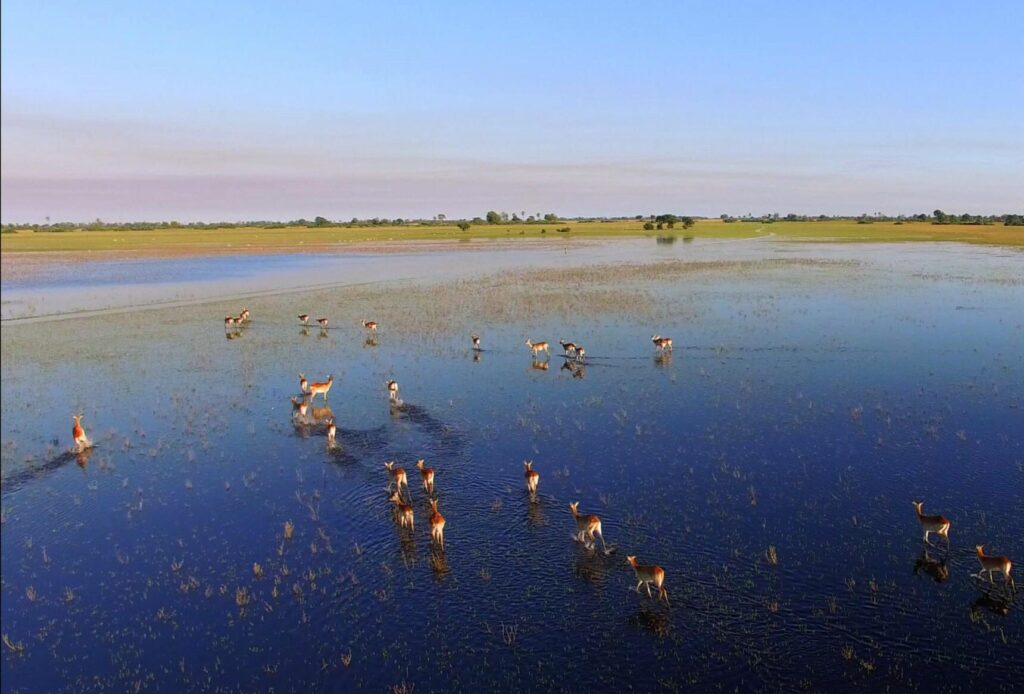
The Masai Mara rolls out as the quintessential vision of Africa with boundless golden grass, lone acacia trees, and an overwhelming volume of migratory herds that drop you straight into the adrenaline of big cat hunting territory. The Ngorongoro Crater offers a stark, theatrical departure: a collapsed volcanic bowl where the encircling rim rises up to 610 metres above the crater floor. Meanwhile, the Okavango Delta completely rewrites the rules of tracking, transforming a hyper-arid desert basin into an emerald labyrinth of water paths where the traditional rumbling safari vehicle is replaced by the silent slide of a wooden canoe.

Vetting the Micro-Kingdoms for an Honest Review of the Best African Safari Experiences
Wildlife Theater: Migration Plains vs. Volcanic Amphitheater vs. Flooded Labyrinth
- The Masai Mara Dynamic: Functions as a high-octane theater of movement. Because the terrain is vast and open, tracking prides of lions, cheetahs, and elusive leopards is immediate and visually continuous. The sheer concentration of predators makes it the undisputed global master for witnessing active hunting sequences, especially when the Great Migration forces over 1.5 million wildebeest, zebra, and gazelle across treacherous crocodile-infested waters.
- The Ngorongoro Crater Scale: Operates as a dense, high-walled sanctuary. The crater floor packs an entire continent's worth of ecosystems (lakes, forests, and savannahs) into a single compressed space. This unique layout guarantees straightforward, high-assurance viewing of the endangered black rhino alongside giant tusker elephants, though the resident animals remain enclosed within the caldera walls year-round.
- The Okavango Delta Frequency: Introduces a deeply intimate, amphibious style of wildlife viewing. Rather than chasing volume, the Delta focuses on specialized tracking. Here, lions have adapted to swim across deep channels, leopards hunt along hidden papyrus islands, and massive elephant herds cross flooded pathways right in front of your watercraft, offering a quiet, sensory connection to the wild.
| Destination | Best For | Not So Ideal For |
|---|---|---|
| Masai Mara (Kenya) | Photographers and action seekers demanding immediate, high-density big cat sightings and predator actions. Travelers tracking the legendary river crossings of the seasonal Great Migration. | Solitude seekers who cannot tolerate seeing other safari vehicles on the horizon during peak summer months Travelers looking for water-based safaris or mountainous, volcanic topography. |
| Ngorongoro Crater (Tanzania) | Luxury connoisseurs looking to check off the Big Five (including black rhinos) in a single afternoon. Best for travelers captivated by dramatic prehistoric landscapes, abundant wildlife, and the spectacle of the crater itself. | Safari purists who want to track wide-open animal migrations over boundless, unpaved overland distances. Budget-conscious travelers looking to avoid steep daily conservation and vehicle descent fees. |
| Okavango Delta (Botswana) | Couples, honeymooners, and elite travelers demanding absolute romantic privacy, slow luxury, and silent presence. Wilderness connoisseurs who want to switch between open-vehicle night tracking and traditional dugout canoe safaris. | Budget travelers looking for an affordable, scalable road-trip layout under a standard pricing tier. Groups demanding fast-paced, continuous animal volume and large-scale public infrastructure. |
The Exclusivity Threshold: High-Volume Accessibility vs. Premium Vehicle Caps vs. Elite Seclusion
When evaluating the operational structures for an honest review of the best African safari experiences, the mechanics of crowd control reveal why these destinations scale so differently in price. The Masai Mara features an accessible mix of public zones and private conservancies. While the private conservancies offer excellent off-road tracking rules, the public sectors can experience heavy vehicle congestion during the peak river-crossing months, making deliberate lodge selection critical to preserving your sense of isolation.
The Ngorongoro Crater addresses crowding through steep, premium pricing structures. The government enforces heavy crater-descent fees and strict time limits per vehicle to naturally cap the volume of traffic on the crater floor. This makes the experience highly premium, ensuring that while you are sharing a compressed geographical space, you are viewing a highly protected, pristine animal heaven.
The Okavango Delta pushes exclusivity to its absolute apex through Botswana’s uncompromising "high-cost, low-volume" state tourism model. The vast majority of the Delta is divided into massive private concessions leased to ultra-luxury lodge operators. By limiting bed capacities to a mere handful per reserve, the delta guarantees an environment where your vehicle is often the only one present at a major wildlife sighting, justifying its position as a pinnacle capital investment.
Pros and Considerations Comparison
| Destination | Pros | Considerations |
|---|---|---|
| Masai Mara (Kenya) | Unrivaled predator activity, high-value all-inclusive lodge options, and guaranteed action within short stay windows. | Public sectors face heavy tourist vehicle crowding during migration peaks; off-roading is strictly limited outside private conservancies |
| Ngorongoro Crater (Tanzania) | Breathtaking caldera scenery, effortless black rhino sightings, and highly secure, compressed wildlife habitats. | Strict time limits on the crater floor; accommodations are primarily concentrated on the rim rather than inside the action. |
| Okavango Delta (Botswana) | Absolute vehicle exclusivity, unmatched water-and-land diversity, pristine eco-resorts, and elite fly-in isolation. | Astronomical baseline pricing with zero mid-range options; entirely dependent on expensive light aircraft charters. |
Travel Jaunts Comparison Tips for Masai Mara, Ngorongoro Crater, and Okavango Delta
- The Vehicle Exclusivity Rule: Always book a private 4x4 vehicle per family or travel group rather than sharing multi-row public jeeps. Dividing costs among three to four family members is the ultimate strategy to secure uninterrupted photography angles, control your departure hours, and avoid compromising your tracking time with strangers.
- The Okavango Fly-In Strategy: Accept that there are no driving paths linking the deep delta. Light aircraft charters are the only entry point into Botswana's premium water camps. Ensure your itinerary seamlessly coordinates these flight segments with your international arrival into Maun or Kasane.
- Sourcing East African All-Inclusive Deals: Avoid independent meal planning when staying near the Masai Mara or the Ngorongoro rim. The remote geography makes finding independent food options impossible, meaning your lodge packages must be fully inclusive of meals, park fees, and built-in camp vehicles.
- The Flood vs. Migration Clock: Track the natural calendar with extreme precision. The Masai Mara peaks during the dry summer months (July to October) for the iconic river crossings, whereas the Okavango Delta peaks between July and September, when Angola's highland rains, having travelled over 1,000 km, finally transform the Kalahari into its full flooded splendour.
Accommodations & Highlights
Masai Mara: Luxury canvas safari tents placed directly along migratory riverbanks, open-air vehicle tracking across private border conservancies, and hot-air balloon flights over golden savannah plains.
Ngorongoro Crater: Opulent stone-and-glass suites clinging directly to the high volcanic rim, dramatic morning descents through the cloud forests into the caldera floor, and volcanic highland walking safaris.
Okavango Delta: Ultra-luxury over-water pavilions resting on raised wooden decks, traditional silent Mokoro canoe safaris through papyrus channels, and private island walking tracks.
What to Know Before Choosing Your Safari
- Transit Realities: The Masai Mara requires rugged, unpaved dirt track driving or short bush-plane flights. The Ngorongoro Crater demands steep, winding ridge descents into a volcanic bowl, while the Okavango Delta completely eliminates roads in favor of light aircraft charters and boat transits.
- Wildlife Truths: The Masai Mara serves up rapid, high-visibility predator theater across wide-open plains. The Ngorongoro Crater packs highly stable resident species (including rare black rhinos) inside a compressed, high-assurance natural bowl, while the Okavango Delta offers highly specialized, amphibious tracking where wildlife blends into deep water channels.
- Concession Dimensions: Booking a private conservancy bordering the Masai Mara or a private concession in the Okavango Delta grants you off-roading liberties and night tracking options that are strictly illegal on the highly regulated public Ngorongoro Crater floor.
- Cost Architectures: The Masai Mara scales across multiple budget tiers depending on whether you stay inside or outside the reserve. The Ngorongoro Crater mandates high government descent fees and time limits, while the Okavango Delta requires a premium, top-tier investment due to its low-volume model.
- Luggage Weight Caps: Flying into Okavango camps or Mara bush airstrips on small regional aircraft introduces a strict weight cap of 15 kg to 20 kg per passenger, requiring you to pack exclusively in soft-sided duffel bags rather than hard-shell suitcases.
- Group Dynamics: Private vehicle allocations and charter flight pricing make safari travel highly cost-efficient for groups of two to four sharing the same footprint, whereas solo luxury travelers face steep financial burdens due to single supplement rates.
Verdict : Exceptional
In the end, the wild does not ask you to compare. It asks you to choose. The Masai Mara hands you raw, unfiltered predator theater across a sea of golden grass. The Ngorongoro Crater drops you into an ancient volcanic amphitheater where the Big Five live within a world sealed off from everything beyond the rim. And the Okavango Delta strips the entire safari concept back to its most elemental form: silence, water, and wildlife encountered on equal terms. Each of these places demands something different of you. All three reward you completely.
FAQ
- Is the Masai Mara or the Ngorongoro Crater better for seeing big cats?
- Why is the Ngorongoro Crater considered a more premium destination?
- What makes the Okavango Delta safari experience completely unique from East Africa?
- Can you see the Great Migration inside the Ngorongoro Crater or the Okavango Delta?
- Are there strict luggage restrictions when traveling to the Okavango Delta?